
Rupture Disc Applications in Chemical Reactors
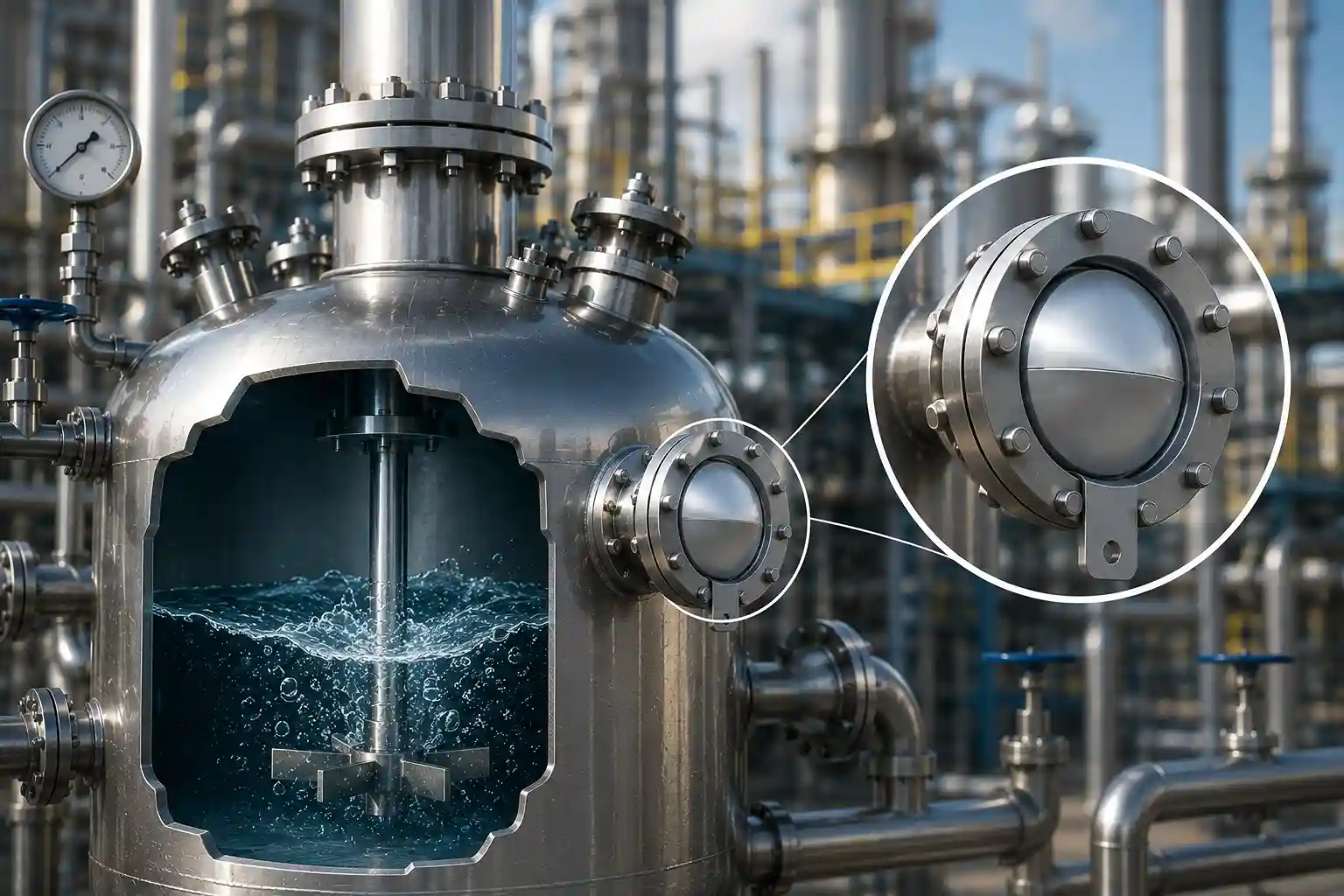
Chemical reactors operate under highly controlled pressure and temperature conditions. Even a small pressure imbalance can lead to equipment damage, hazardous chemical release, production shutdowns, or catastrophic explosions. To prevent such incidents, industries use rupture discs as a critical pressure relief and safety protection device.
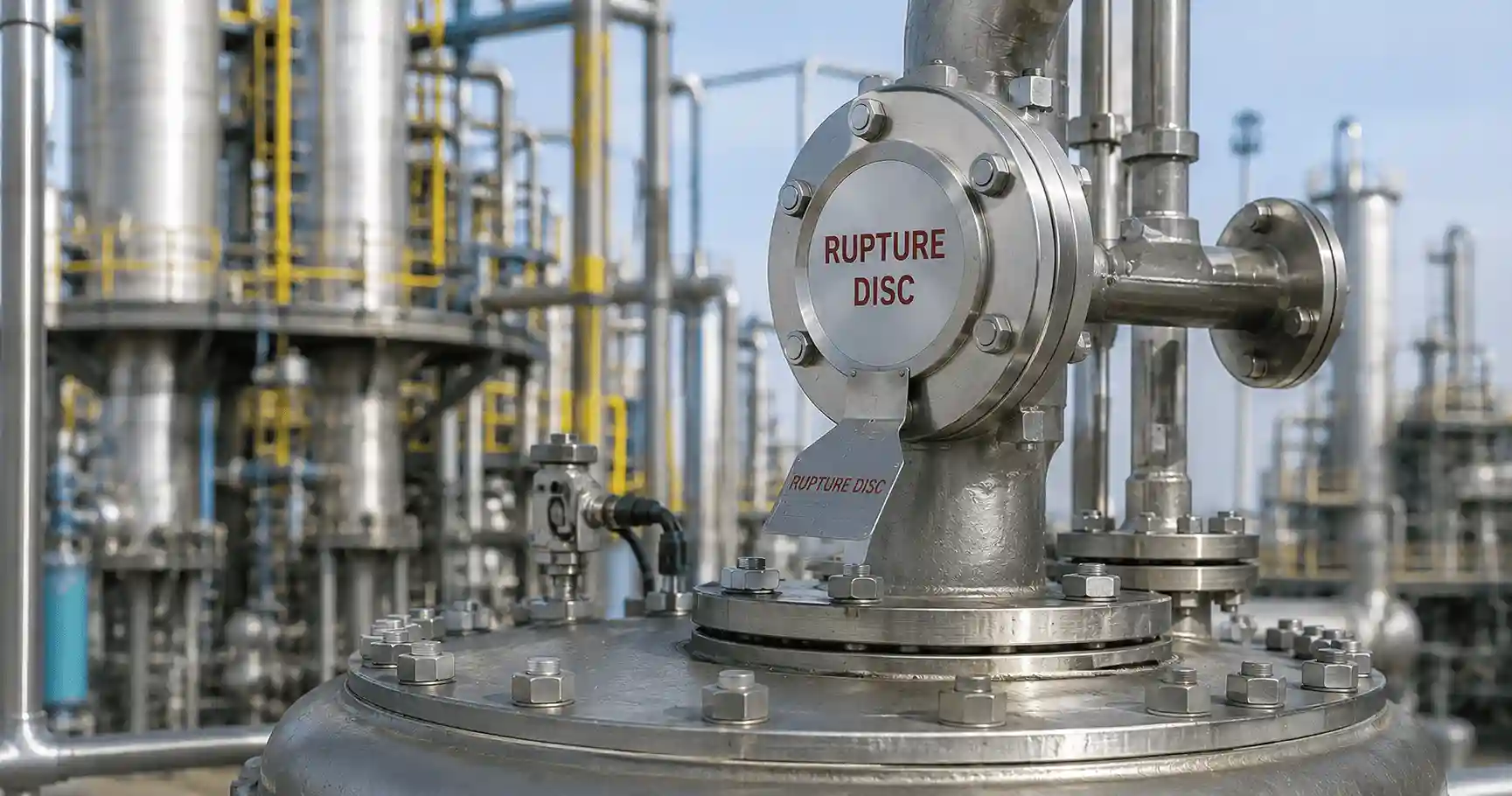
Rupture discs are widely installed in chemical reactors to provide instant pressure relief during overpressure conditions. These non-reclosing safety devices protect reactors, pipelines, vessels, and process systems from dangerous pressure buildup.
As chemical manufacturing processes become more complex and safety regulations become stricter, rupture disc applications in chemical reactors are becoming increasingly important across industries such as pharmaceuticals, petrochemicals, specialty chemicals, food processing, and hydrogen processing plants.
What is a Rupture Disc?
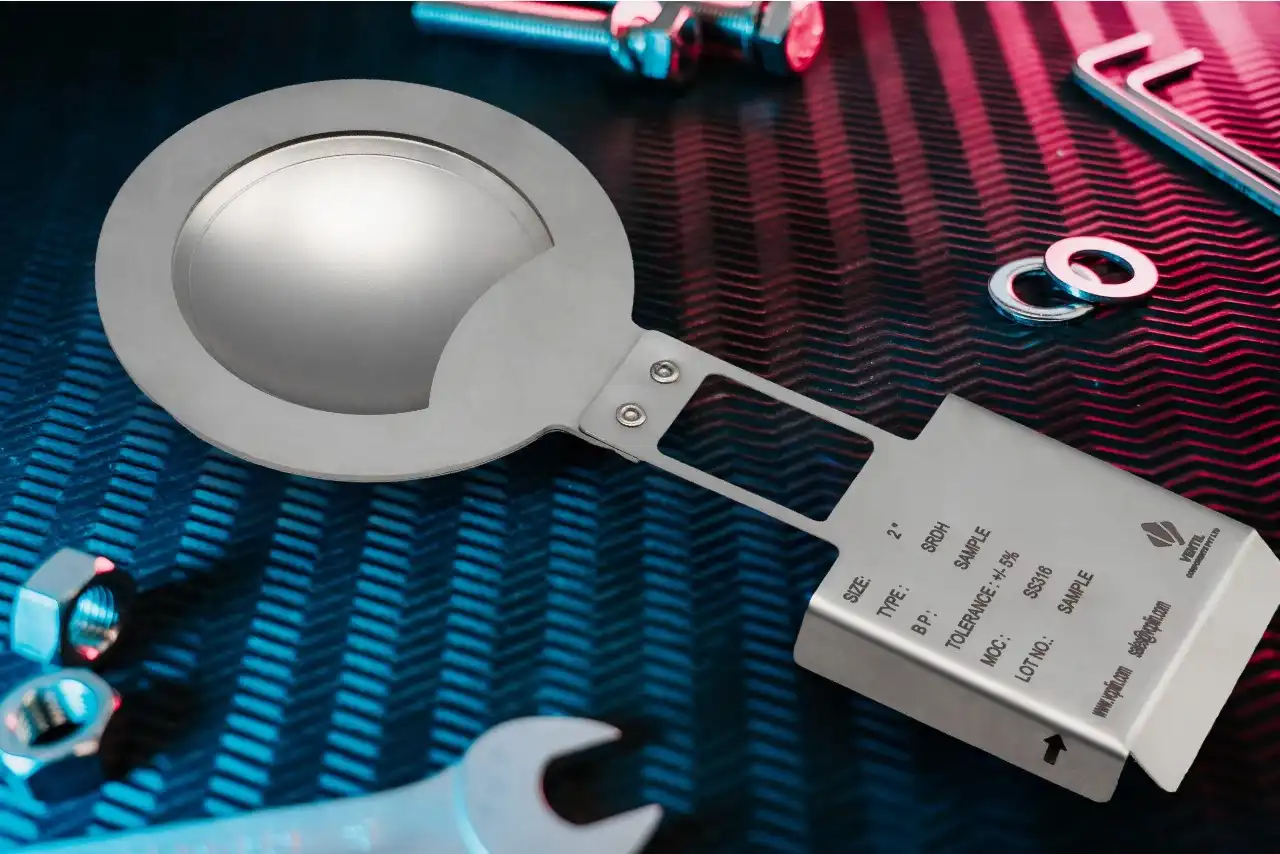
A rupture disc, also known as a burst disc, is a non-reclosing pressure relief device designed to rupture at a predetermined pressure and instantly release excess pressure from a process system.
P > P_{burst}
When the system pressure exceeds the burst pressure rating, the rupture disc opens completely, allowing rapid pressure relief and preventing reactor failure.
Rupture discs are commonly used in:
- Chemical reactors
- Pressure vessels
- Heat exchangers
- Storage tanks
- Dust collectors
- Pipeline systems
Unlike safety relief valves, rupture discs provide:
- leak-tight sealing
- ultra-fast response
- corrosion resistance
- low maintenance
- contamination-free operation
Chemical reactors handle:
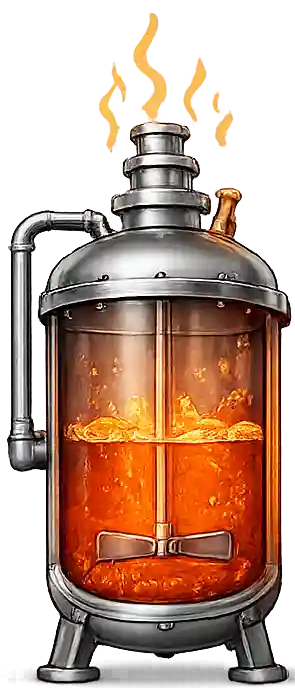
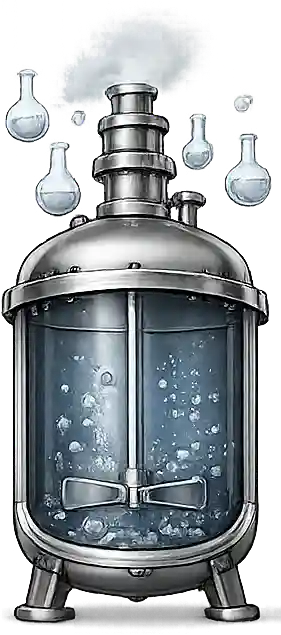
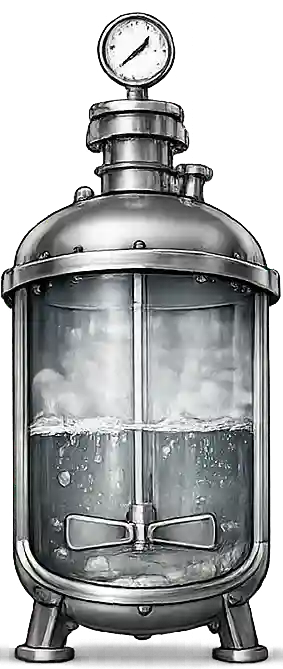
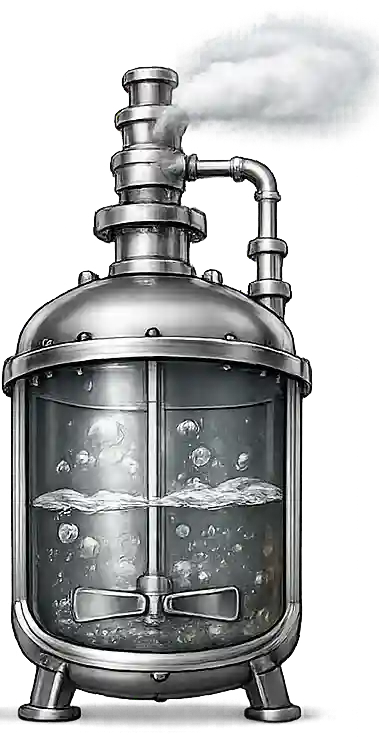

These conditions can rapidly generate dangerous overpressure situations.

EXCESSIVE HEAT INPUT
Too much heat added to the system can cause rapid temperature and pressure rise.
RUNAWAY CHEMICAL REACTIONS
Uncontrolled reactions can rapidly increase temperature and pressure inside the reactor.

GAS GENERATION
Unexpected gas formation during chemical reactions can exceed design pressure.
BLOCKED OUTLET LINES
A blocked discharge path can trap pressure inside the vessel.

AGITATOR FAILURE
Poor mixing can create localized hot spots and pressure build-up.

PRESSURE CONTROL FAILURE
Faulty instruments or control systems may fail to regulate pressure properly.
SAFETY VALVE FAILURE
Stuck, undersized or malfunctioning safety valves may not relieve pressure.

OPERATIONAL ERRORS
Human error, wrong setpoints or procedure violations can lead to overpressure.
Without proper pressure relief systems, these conditions may result in:
- reactor rupture
- toxic gas release
- explosion hazards
- fire incidents
- environmental damage
- production downtime
Rupture discs provide immediate emergency pressure relief to protect personnel and equipment.
How Rupture Discs Work in Chemical Reactors
Rupture discs are installed on reactor nozzles, vent lines, or pressure relief systems.
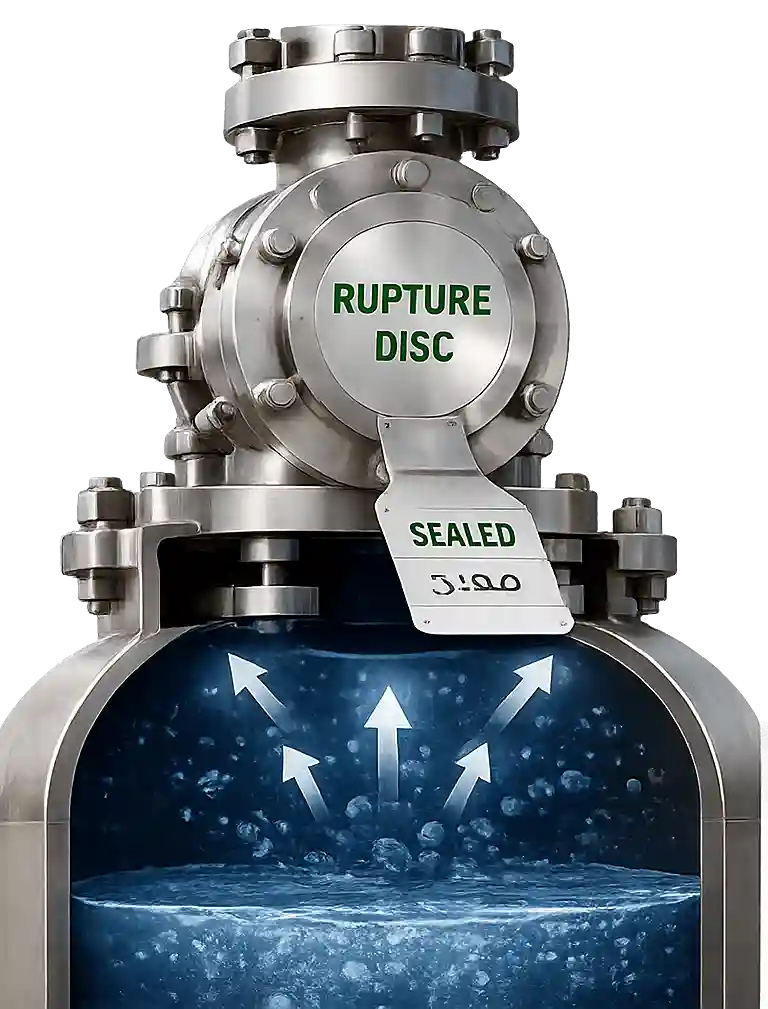
Under normal operating conditions:
- the disc remains sealed
- process media stays contained
- pressure remains controlled
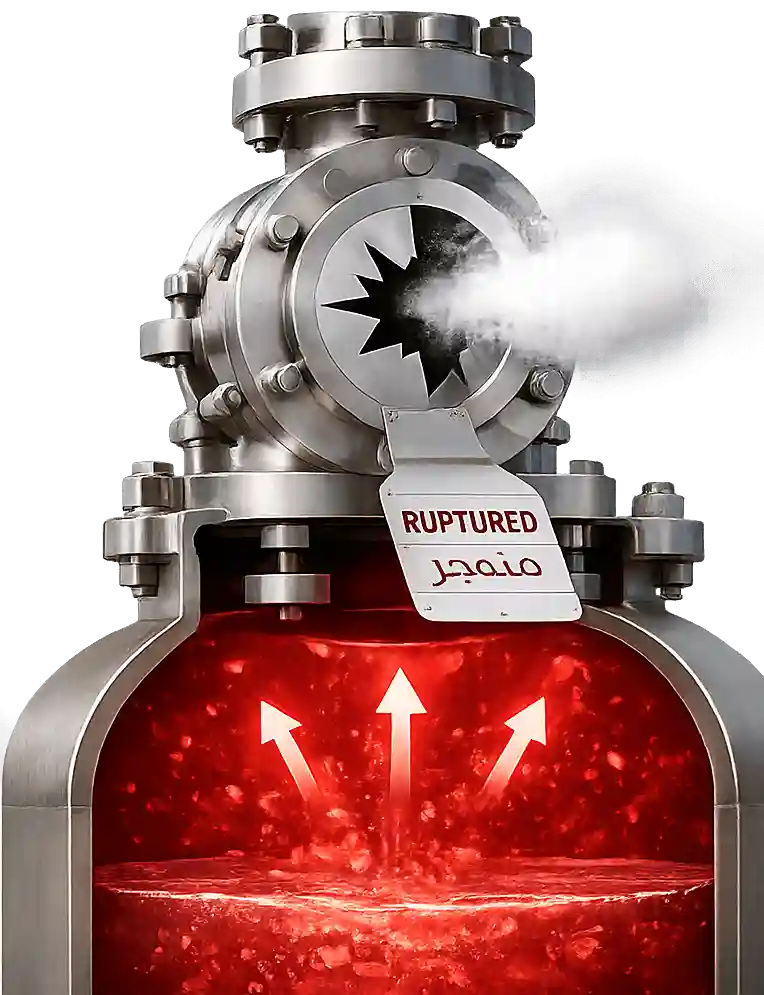
When pressure exceeds the disc burst rating:
- the membrane ruptures instantly
- excess pressure escapes safely
- the reactor is protected from failure
Basic Working Principle
P_{system} \geq P_{burst}
Where:
- (P_{system}) = reactor system pressure
- (P_{burst}) = rupture disc burst pressure
Major Rupture Disc Applications in Chemical Reactors
Overpressure Protection
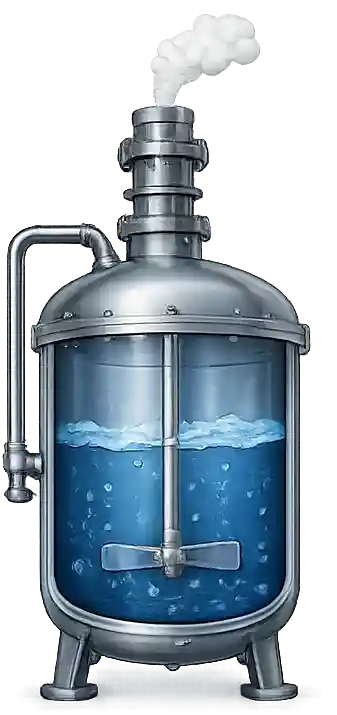
The primary application is protecting reactors from excessive pressure buildup caused by process abnormalities.
Rupture discs rapidly vent excess pressure before reactor damage occurs.
Industries:
- Petrochemical Plants
- Specialty Chemical Manufacturing
- Pharmaceutical Reactors
- Agrochemical Plants
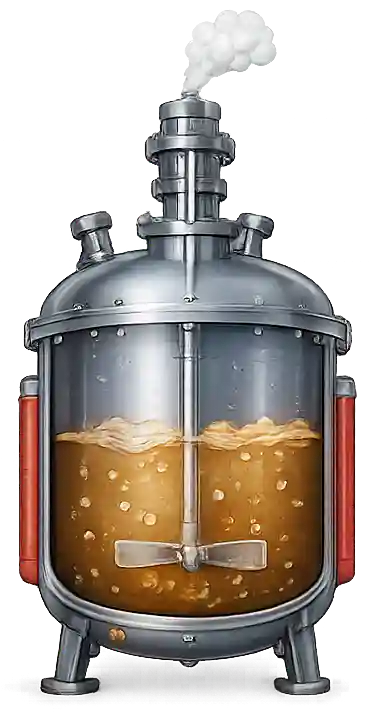
Protection During Runaway Reactions
Exothermic reactions can generate pressure extremely quickly.
Rupture discs respond faster than many conventional relief systems, making them ideal for:
- Polymerization Reactors
- Batch Reactors
- Hydrogenation Systems
- Nitration Processes
Fast-opening capability helps minimize explosion risks.
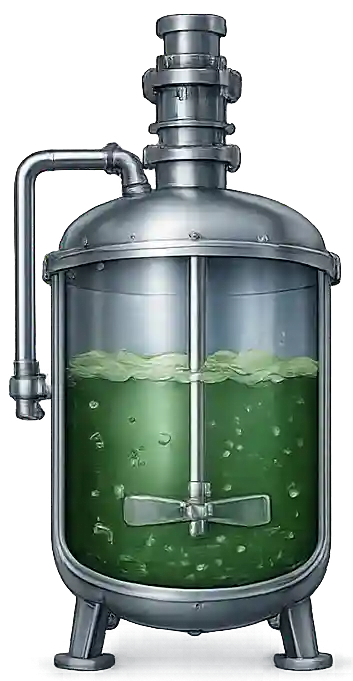
Corrosion-Resistant Pressure Relief
Chemical reactors often process:
- Acids
- Solvents
- Corrosive Vapors
- Aggressive Chemicals
Available In:
- Hastelloy
- Inconel
- Stainless Steel
- PTFE-lined Construction
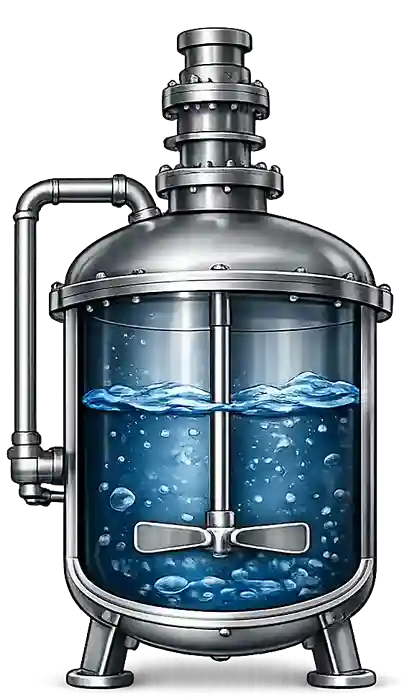
Leak-Tight Isolation
Unlike relief valves, rupture discs provide zero leakage under normal operating conditions.
- Toxic Chemicals
- Hazardous Gases
- Sterile Pharmaceutical Processing
- Oxygen-Sensitive Chemicals
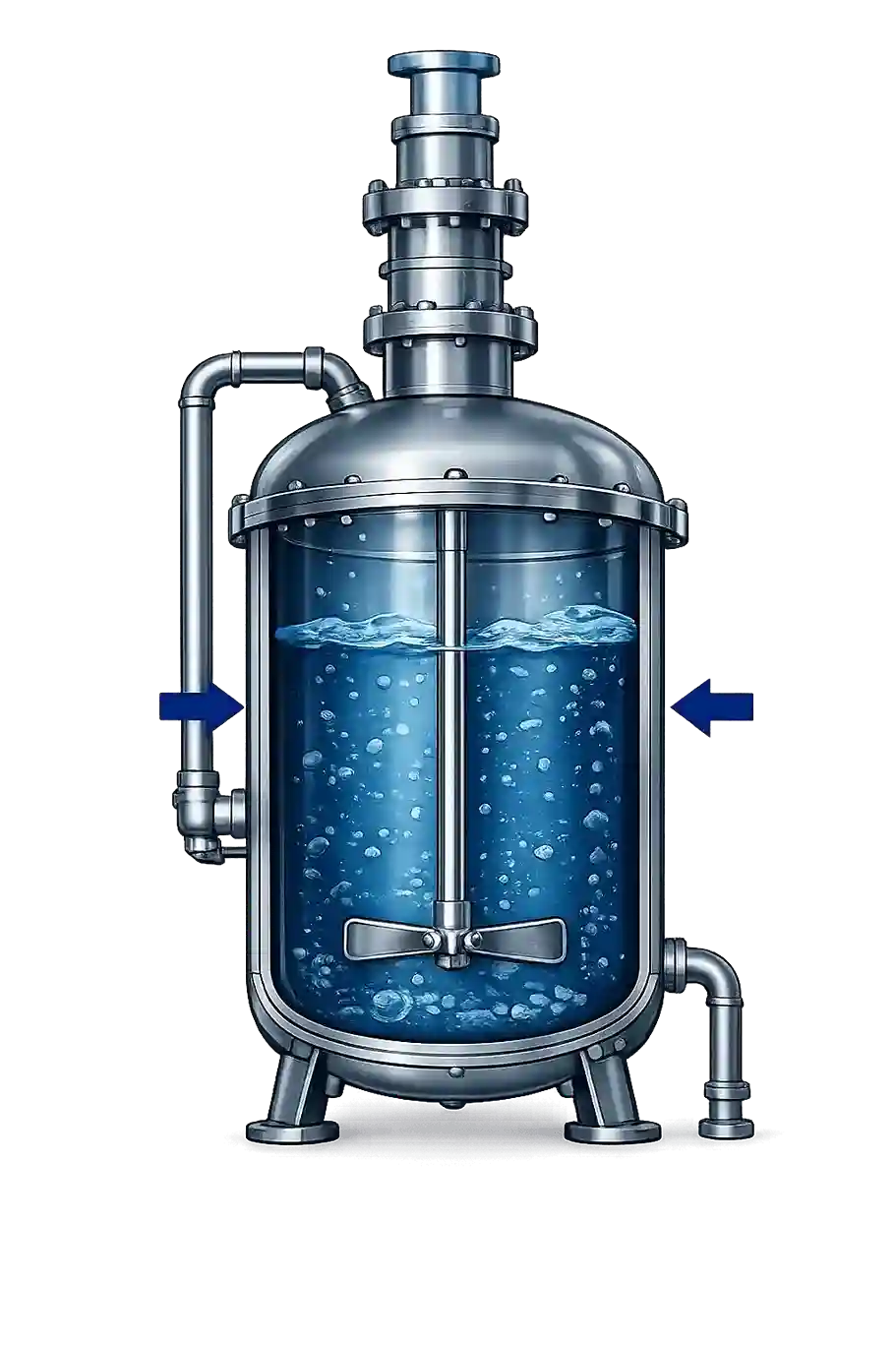
Vacuum Protection
- Cooling
- Draining
- Cleaning Operations
Prevents:
- Vessel Collapse
- Structural Deformation
- Process Damage
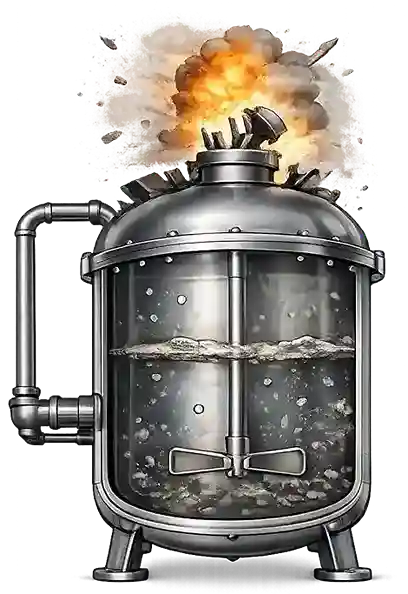
Explosion Protection Systems
Rupture discs are commonly integrated into explosion protection systems for:
- Combustible Dust
- Flammable Vapor Processing
- Solvent Recovery Systems
They help safely release explosion pressure and reduce damage severity.
Types of Rupture Discs Used in Chemical Reactors
Most widely used in chemical processing industries.
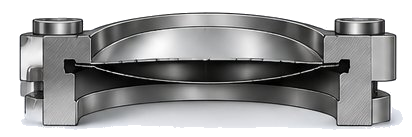
- High operating ratio
- Long service life
- Excellent fatigue resistance
- Suitable for pulsating pressure
- Continuous process reactors
- High-pressure systems
Designed for lower-pressure applications.
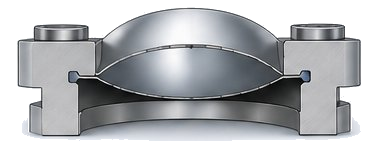
- Economical
- Simple design
- Suitable for static pressure conditions
- Storage systems
- Low-pressure reactors
Used for highly corrosive applications.
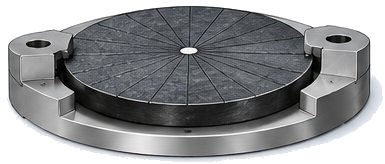
- Acid processing
- Chlorine systems
- Aggressive chemical environments
Factors to Consider When Selecting a Rupture Disc for Chemical Reactors
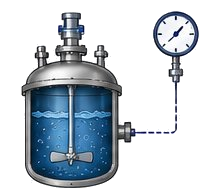
Burst Pressure
The rupture disc burst pressure must match reactor design limitations.
P_{burst} < P_{design}

Operating Temperature
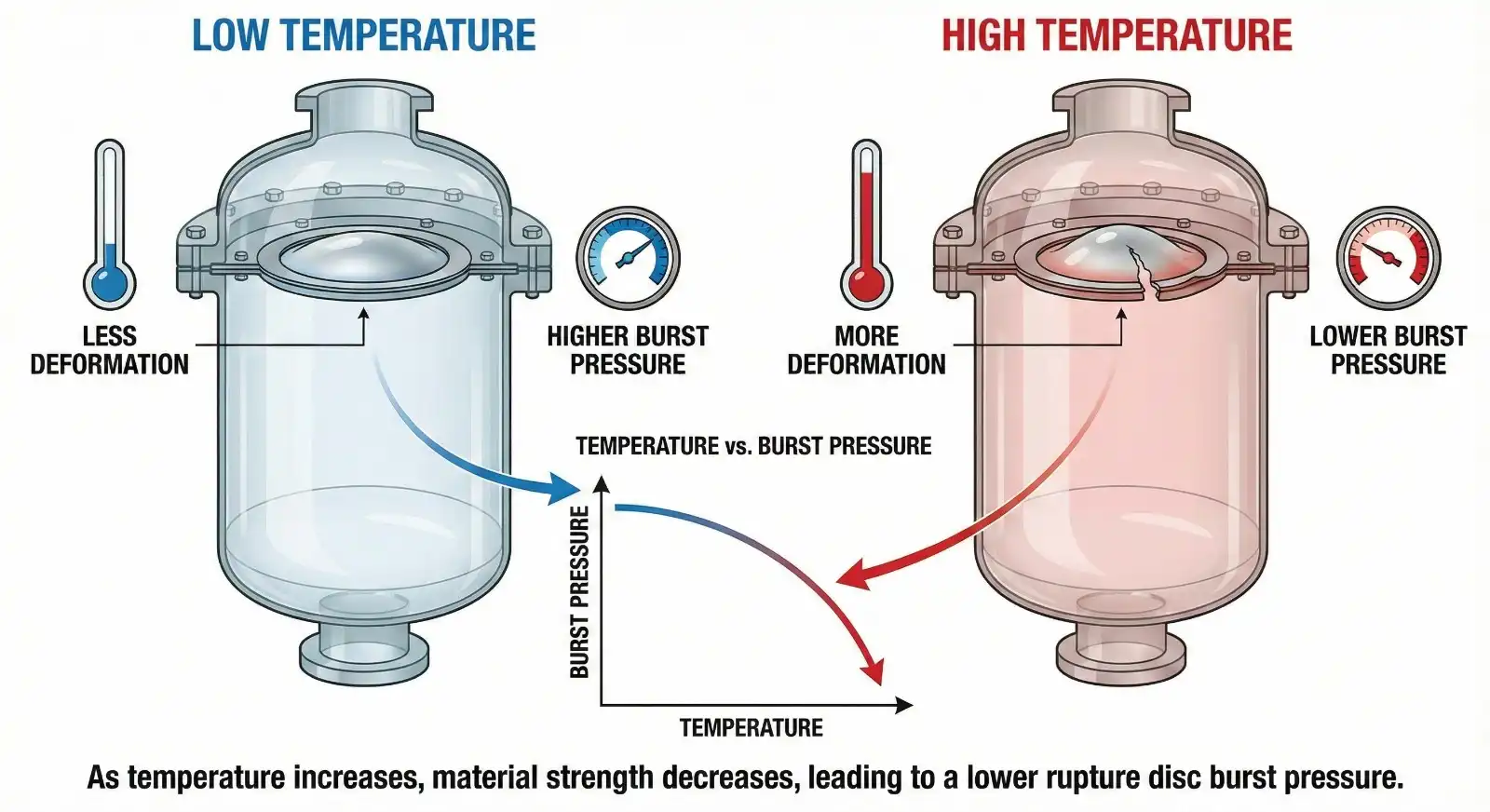
High temperatures affect disc performance and material selection.
- Select Suitable
- Material for
- expected
- temperature range
Chemical Compatibility
Disc material must resist process corrosion.
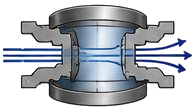
Flow Capacity
The rupture disc must relieve pressure quickly enough to prevent reactor damage.
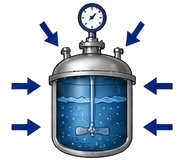
Vacuum Resistance
Vacuum support may be required for reactor systems exposed to negative pressure.

Compliance Standards
Ensure compliance with:
- ASME
- ISO
- ATEX
- NFPA
- PED standards
Benefits of Using Rupture Discs in Chemical Reactors
| Benefit | Description |
|---|---|
| Instant Pressure Relief | Fast response during emergencies |
| Leak-Tight Protection | Prevents hazardous leakage |
| Corrosion Resistance | Suitable for aggressive chemicals |
| Low Maintenance | No moving parts |
| Explosion Risk Reduction | Protects personnel and equipment |
| Cost-Effective Safety | Lower maintenance than valves |
| High Reliability | Consistent burst performance |
Industries Using Rupture Discs in Reactors
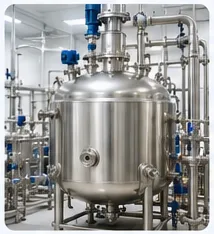
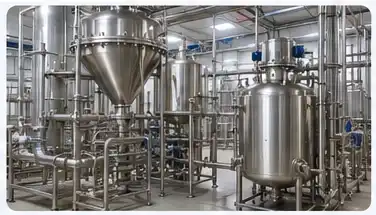
Pharmaceutical Industry
Used in:
- API reactors
- Solvent recovery systems
- Sterile processing
Petrochemical Industry
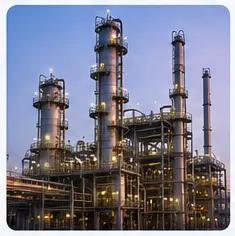
Used for:
- Hydrocarbon processing
- Gas systems
- Pressure vessels
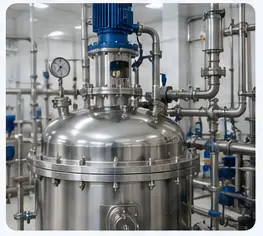
Specialty Chemicals
Protection against volatile reaction conditions.
Food & Beverage
Used in:
- Spray dryers
- Fermentation systems
- Pressure vessels
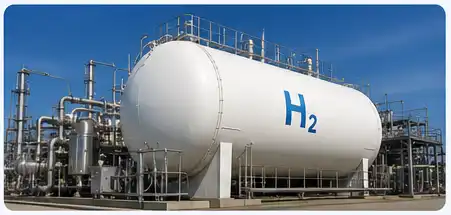
Hydrogen Processing
Essential for hydrogen pressure protection systems.
Rupture Disc vs Safety Relief Valve in Chemical Reactors
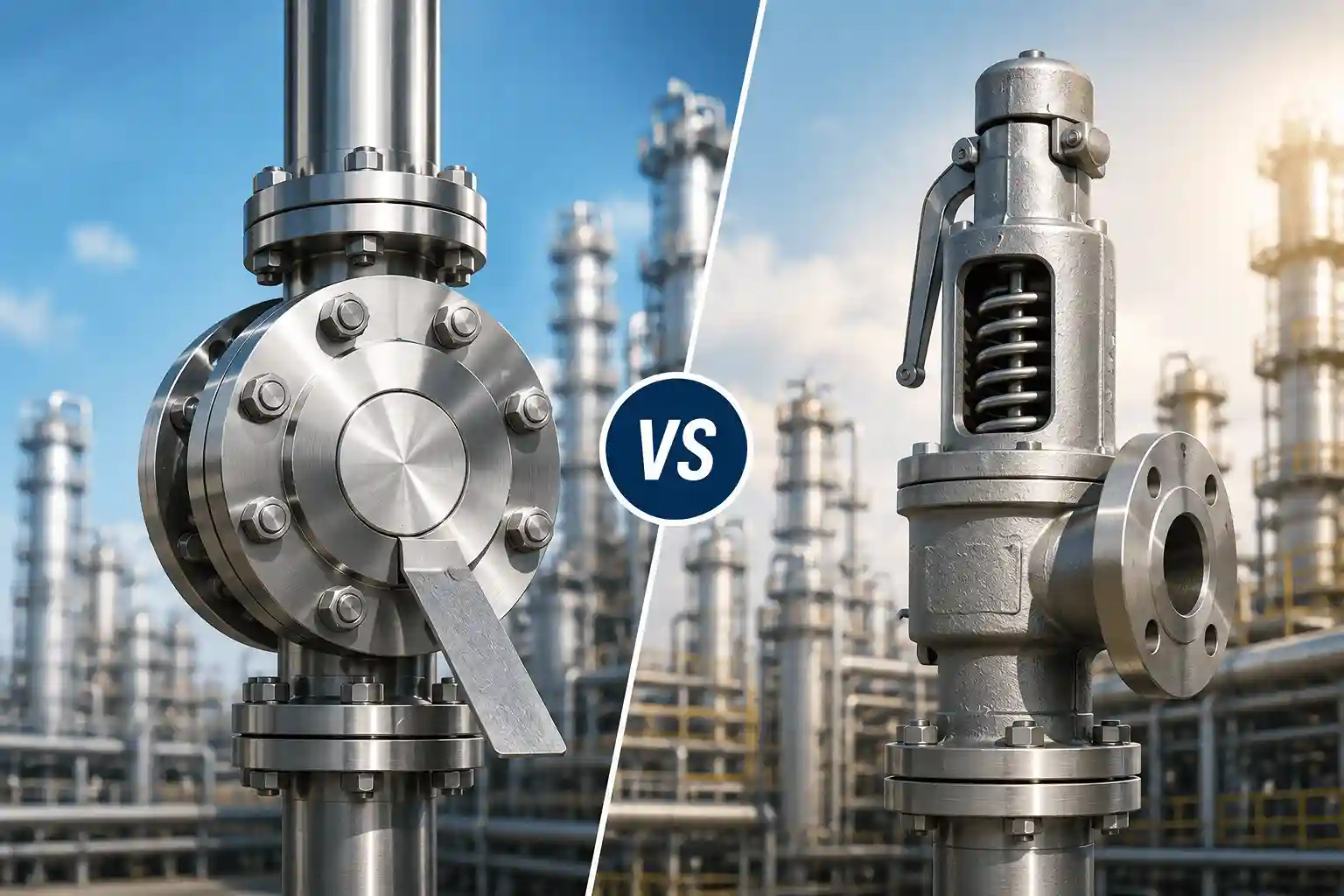
| Feature | Rupture Disc | Safety Relief Valve |
|---|---|---|
| Response Speed | Instant | Slower |
| Leakage | Zero leakage | Possible leakage |
| Reclosing | No | Yes |
| Maintenance | Low | Higher |
| Corrosion Resistance | Excellent | Moderate |
| Process Purity | Excellent | Moderate |
Many chemical plants use rupture discs together with safety relief valves for enhanced protection.
Common Installation Locations in Chemical Plants
Rupture discs are commonly installed on:
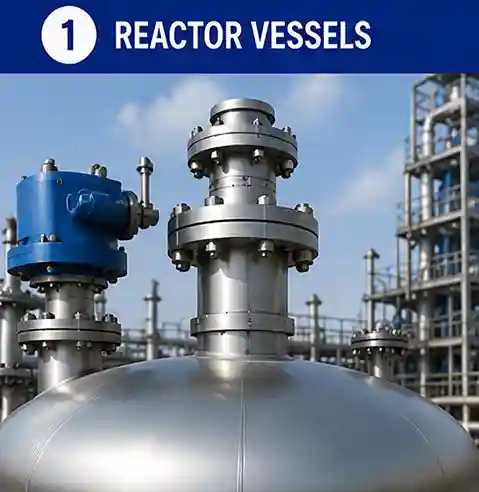
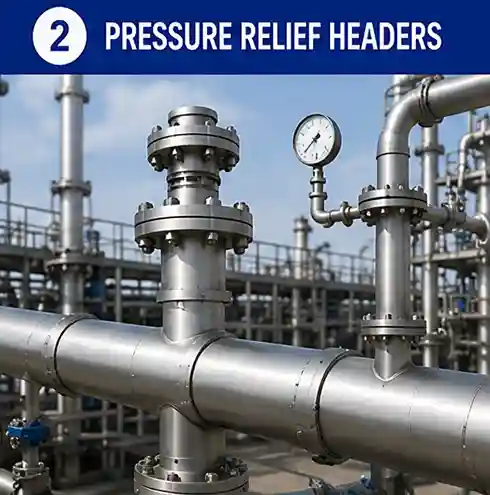
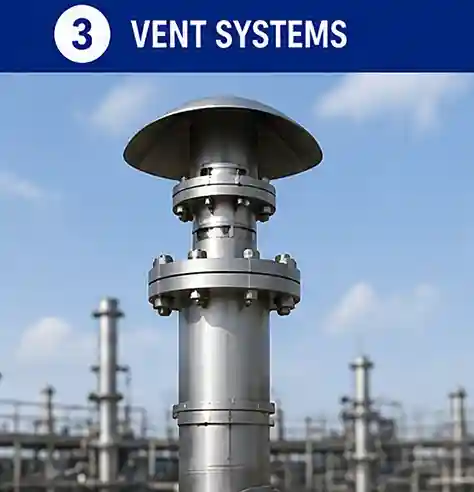
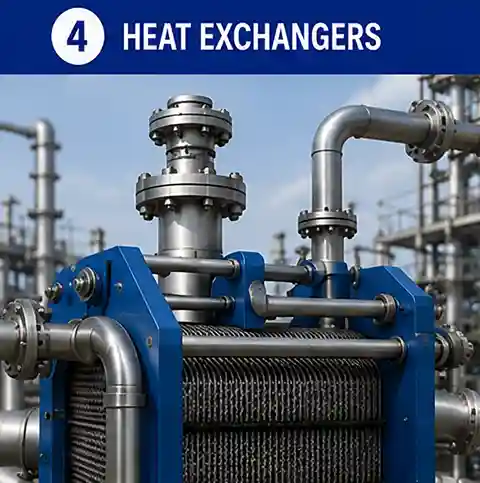
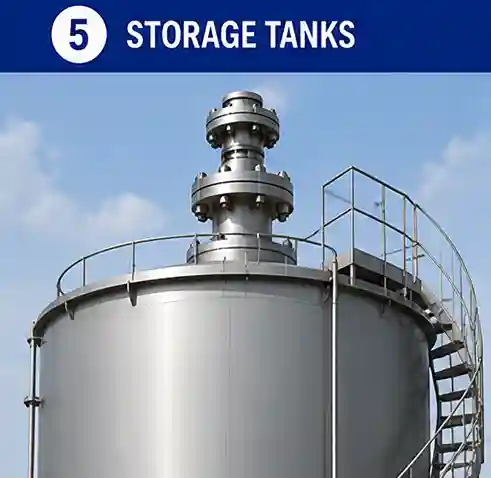
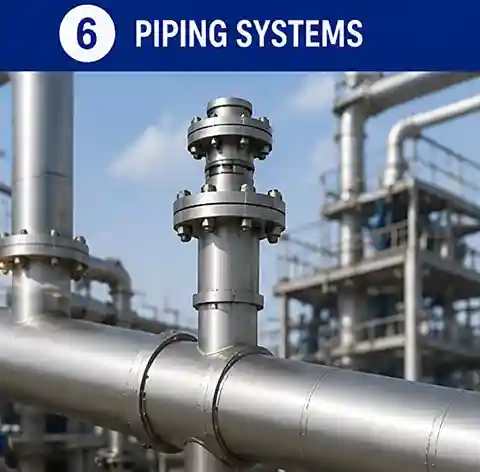
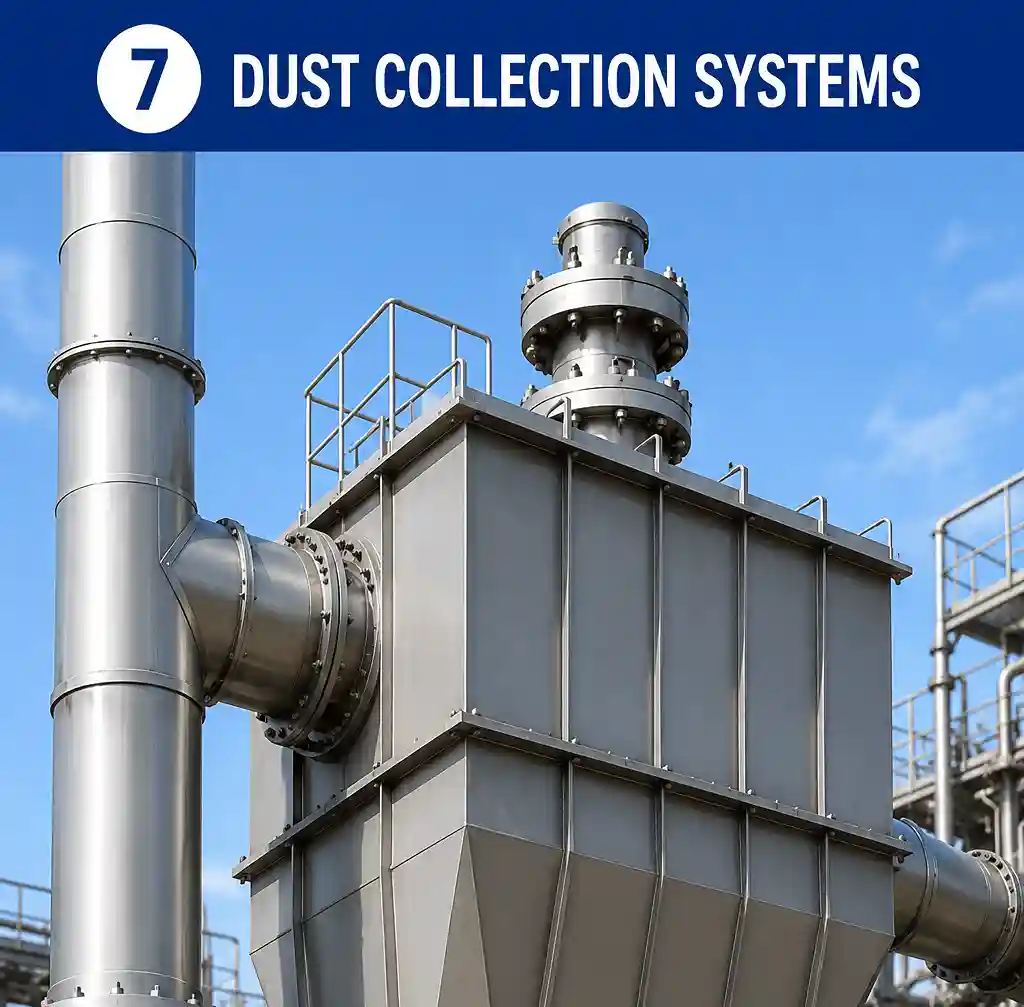
Proper installation ensures optimal performance and safety compliance.
Industrial Safety Standards for Rupture Discs
Chemical industries follow strict international safety standards.
Important standards include:





Selecting certified rupture discs improves plant safety and regulatory compliance.
Future Trends in Reactor Pressure Protection


Conclusion
Rupture discs play a vital role in protecting chemical reactors from dangerous overpressure conditions. Their fast response, leak-tight sealing, corrosion resistance, and reliable performance make them one of the most effective pressure relief solutions in industrial processing plants.
From pharmaceutical manufacturing to petrochemical processing, rupture discs help improve:
- process safety
- equipment protection
- operational reliability
- regulatory compliance
As industrial safety standards continue to evolve, the demand for advanced rupture disc solutions in chemical reactors will continue to grow across global industries.
Frequently Asked Questions
A rupture disc protects the reactor from dangerous overpressure by bursting at a predetermined pressure.
Pharmaceutical, chemical, petrochemical, food processing, and hydrogen industries commonly use rupture discs.
A rupture disc is a non-reclosing device with instant response, while a safety valve reopens and recloses during operation.
Yes. Rupture discs are available in corrosion-resistant materials such as Hastelloy, PTFE, and Inconel.
They rapidly relieve dangerous pressure buildup, helping reduce explosion risks in chemical processing systems.