Why Every Industrial Facility Needs a Proactive Explosion Risk Assessment
Every year, preventable dust and gas explosions cause catastrophic damage to industrial plants, leading to injuries, production halts, and regulatory fines. In the European Union alone, the ATEX directives (2014/34/EU and 1999/92/EC) mandate that employers assess explosion risks and implement protective measures. Yet many facilities underestimate hazards like combustible dust, flammable vapor ignition, or overpressure events in closed vessels.
The first step toward safety is not buying equipment—it’s understanding your specific risk profile. That’s why we created the Interactive Facility Risk Checker below. In less than three minutes, you can evaluate nine critical factors, from dust handling to audit history, and receive a personalized explosion risk score with recommended safety solutions.
The interactive tool is embedded on this page. Answer each question honestly to generate your facility’s risk level and a list of priority actions.
Free Factory Explosion Risk Calculator (Try Now)
Use our Facility Explosion Risk Checker Tool below to calculate your risk instantly:
Get a free safety consultation
Ventil Components engineers can assess your facility and recommend the right certified solution.
Contact Ventil- Takes less than 60 seconds
- Instant explosion risk score
- AI-based recommendations
- No technical expertise required
Key Hazards That Drive Explosion Risk (And How the Checker Evaluates Them)
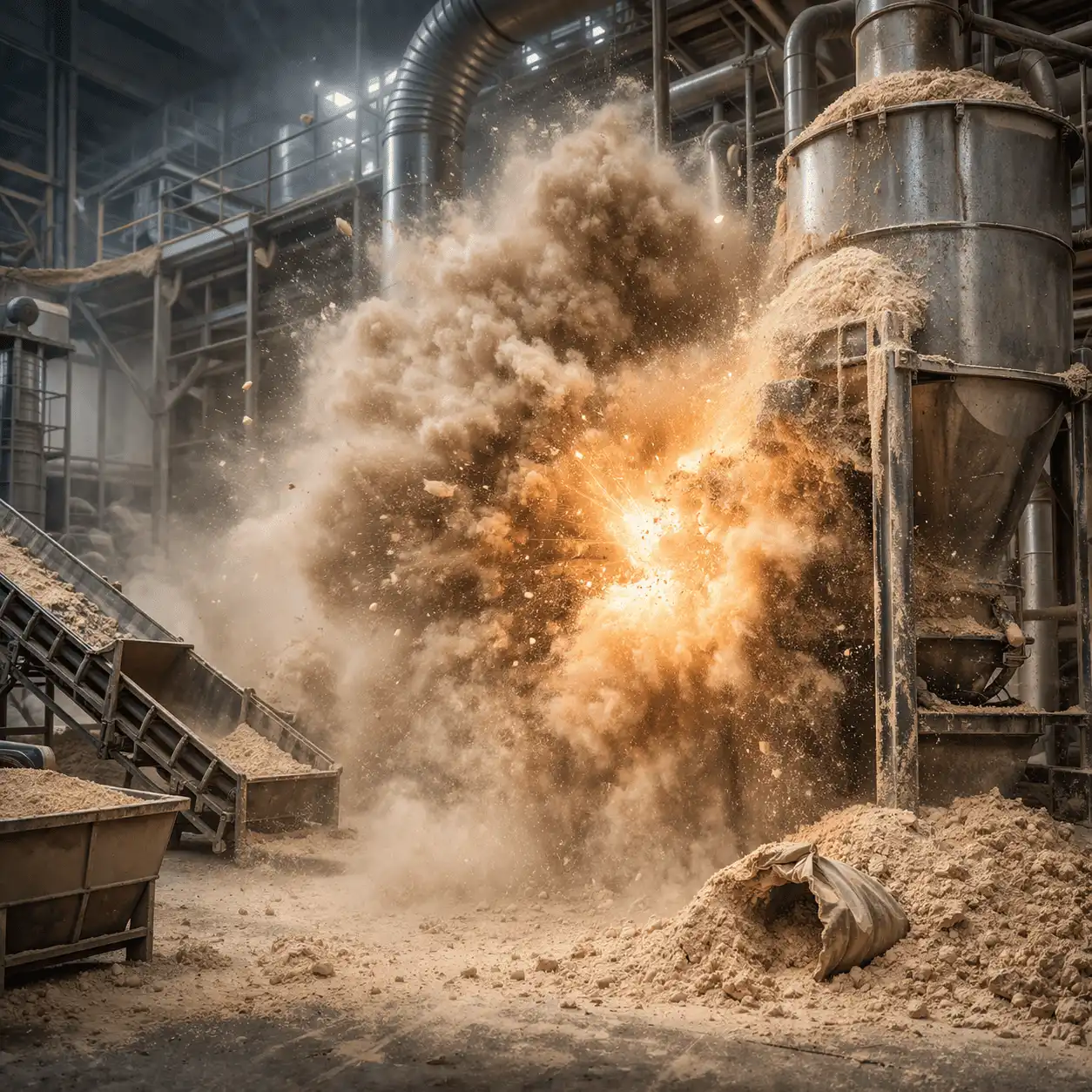
1. Combustible Dust – The Silent Threat
Industries like food processing, chemical manufacturing, pharmaceuticals, and woodworking all generate fine dust. When suspended in air at the right concentration, a simple spark can trigger a devastating deflagration. Our risk checker asks about dust volume and handling practices because even minimal dust accumulation can create secondary explosions.
High-risk industries:
- Grain elevators
- Spice grinding
- Metal powder production
- Coal handling
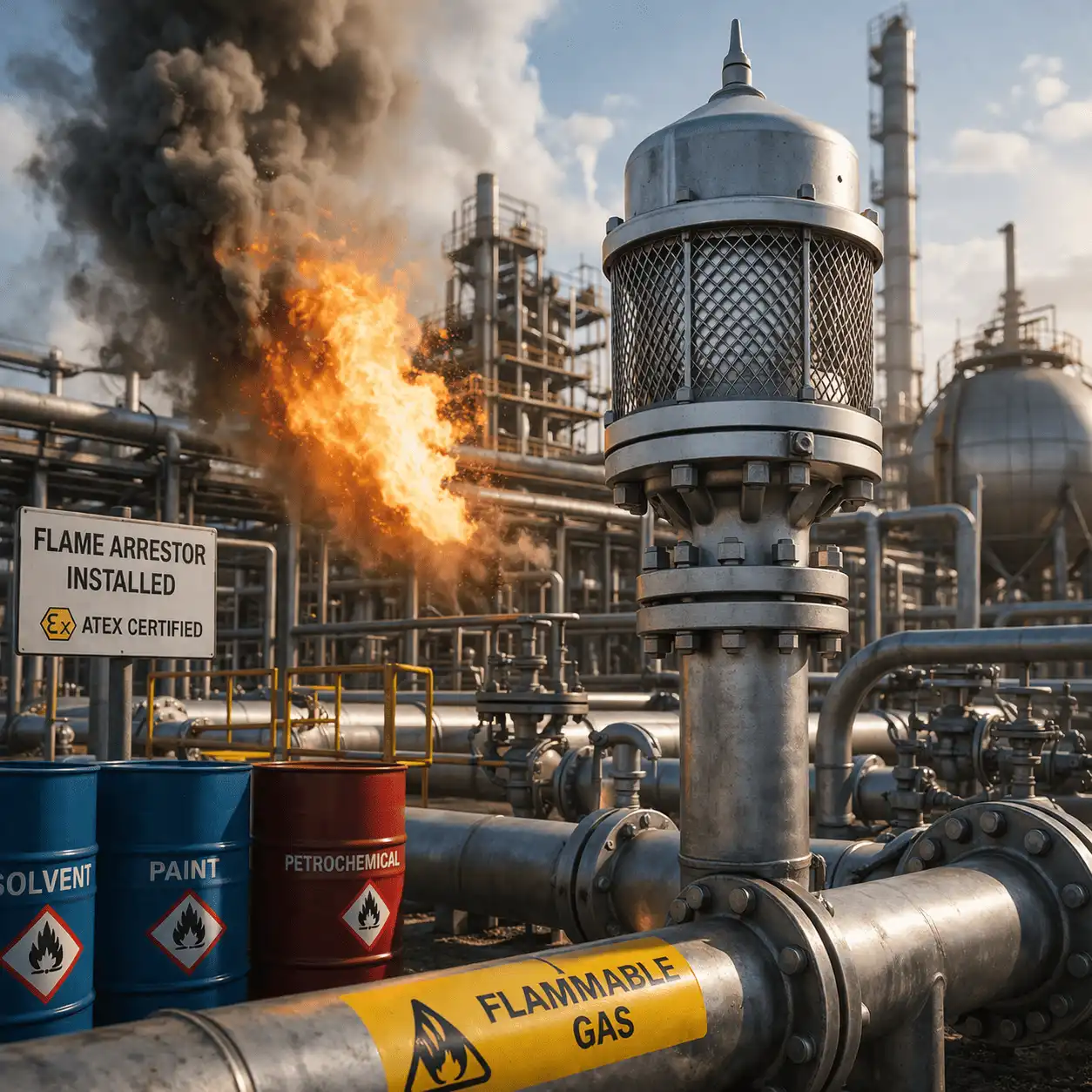
2. Flammable Gases & Vapors
Solvents, paints, petrochemicals, and natural gas lines introduce continuous ignition risks. Facilities that regularly handle flammable gases receive a higher risk score unless they have certified flame arrestors installed on vents and transfer lines. The tool specifically checks for flame arrestor coverage and ATEX certification.
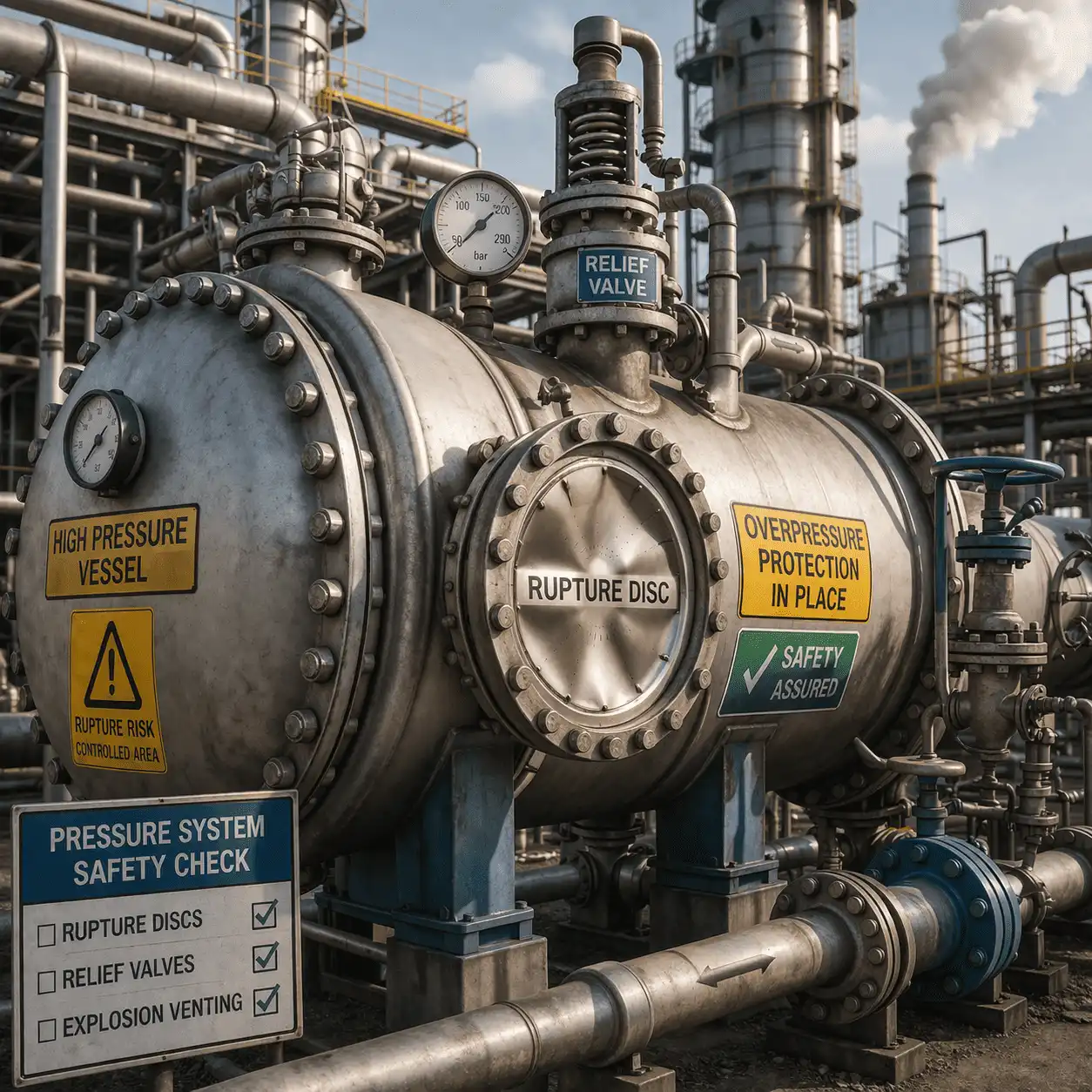
3. Pressure Systems & Vessel Overpressure
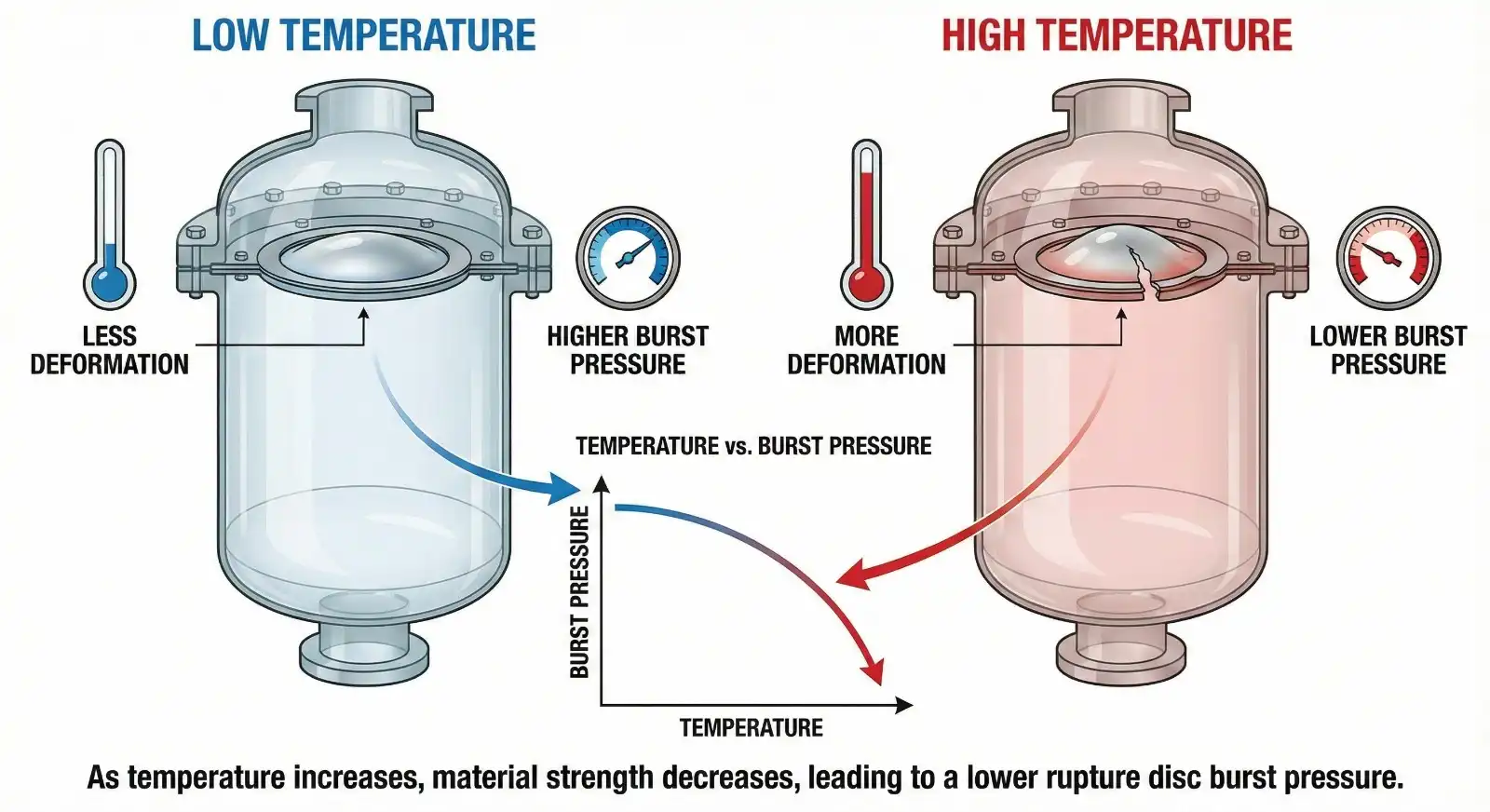
Reactors, pressure vessels, and high-pressure pipelines can rupture if overpressure relief is inadequate. Our assessment asks about the number of pressure systems and whether you’ve installed rupture discs or relief valves. A lack of explosion venting significantly increases the final score.
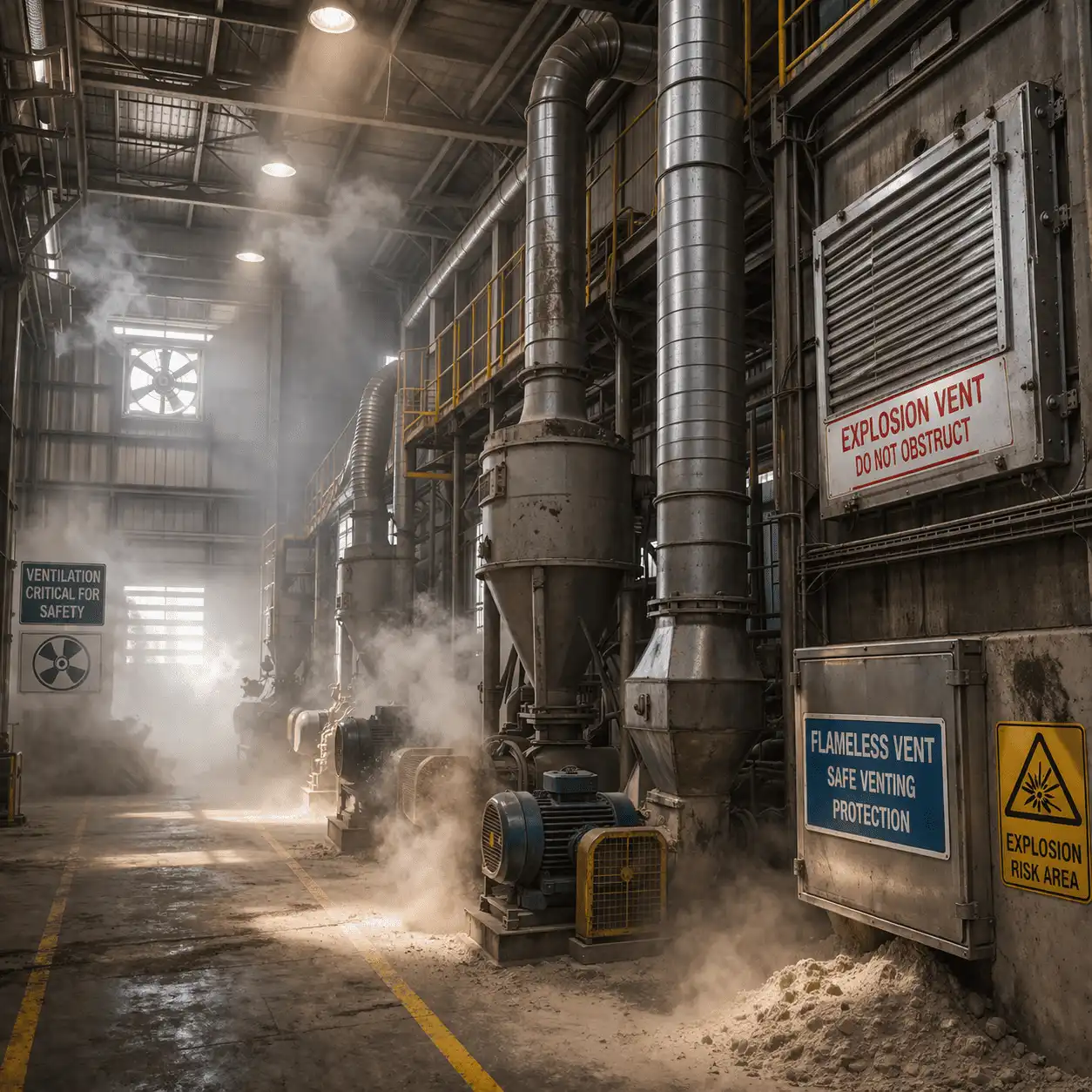
4. Enclosed Workspaces & Ventilation
Indoor facilities accumulate explosive atmospheres faster than open-air sites. The tool factors in your indoor/outdoor mix to adjust risk—fully enclosed plants receive higher baseline points, emphasizing the need for flameless vents or explosion panels.
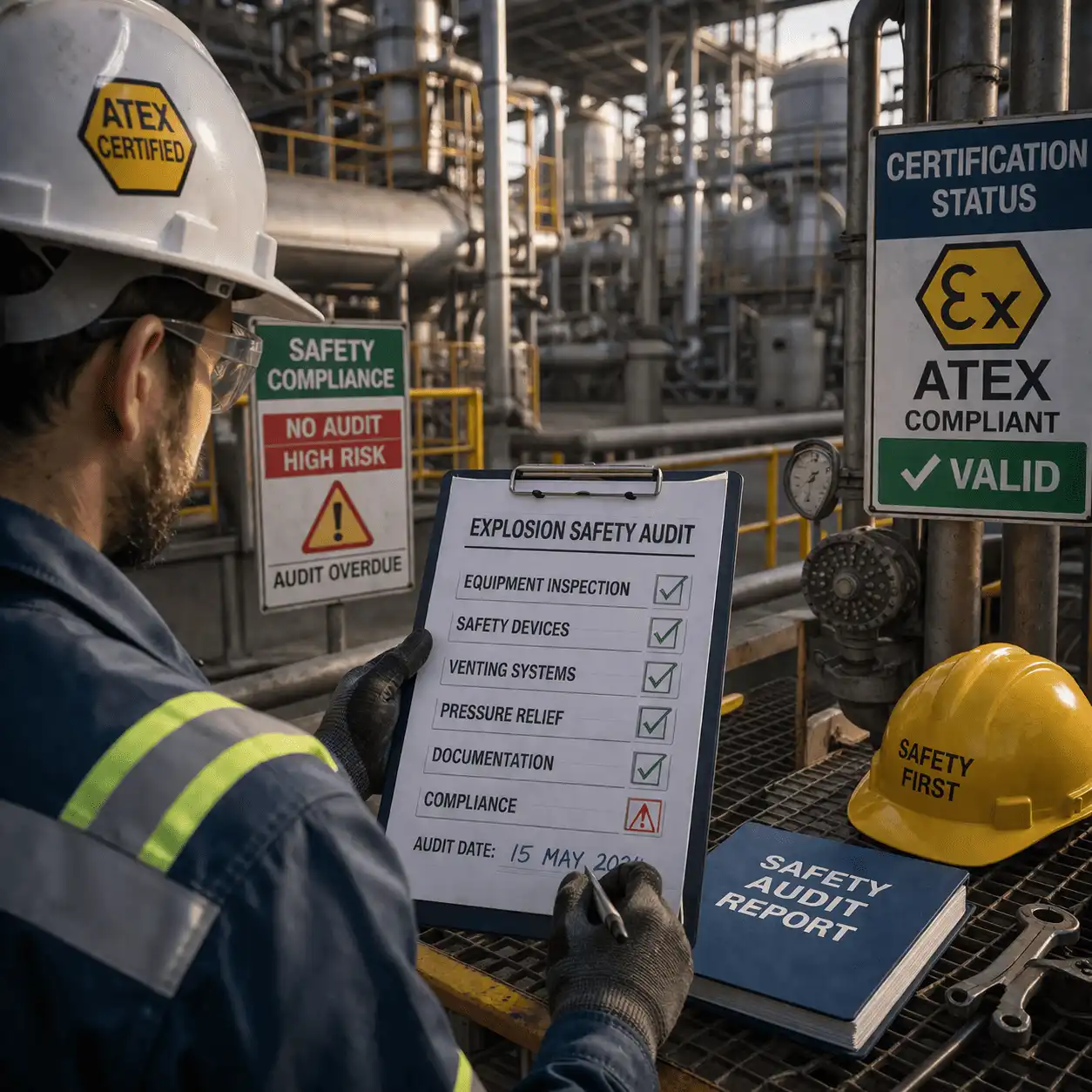
5. Safety Audit & Certification Gaps
Even well-equipped plants can become unsafe if maintenance lags. The last question in the checker focuses on ATEX certification status and the date of your most recent explosion safety audit. Facilities that have never conducted an audit receive a “critical risk” warning and an immediate recommendation for a compliance review.
Understanding Your Explosion Risk Score
After completing the 9 questions, the tool calculates a percentage score (0–100%) and categorizes you into one of four risk levels:
| Risk Level | Score Range | What It Means |
|---|---|---|
| Low Risk | 0–25% | Your facility likely has adequate protection. Maintain annual audits and replace aging components. |
| Moderate Risk | 26–50% | Some vulnerabilities exist (e.g., partial flame arrestor coverage, outdated vents). Schedule an engineering review. |
| High Risk | 51–75% | Immediate action required. Likely missing explosion venting or ATEX-certified equipment. High probability of regulatory non-compliance. |
| Critical Risk | 76–100% | Severe hazards present. Cease high-risk operations and consult a certified safety engineer urgently. |
The visual gauge in the results panel animates your score, and the recommendation engine generates three to five actionable steps—from installing flameless vents to scheduling a full-site ATEX audit.
Why ATEX Certification Matters (And How to Achieve It)
ATEX is the mandatory standard for equipment used in explosive atmospheres within the EU. But even outside Europe, many insurers and multinational clients require ATEX or IECEx certification as proof of due diligence.
Our risk checker flags partial or missing certification as a major contributor to high scores. To improve your rating:
- Ensure all flame arrestors, rupture discs, and vent panels carry a valid ATEX certificate.
- Keep technical files and declarations of conformity on-site.
- Retest and recertify equipment every five years or after any modification.
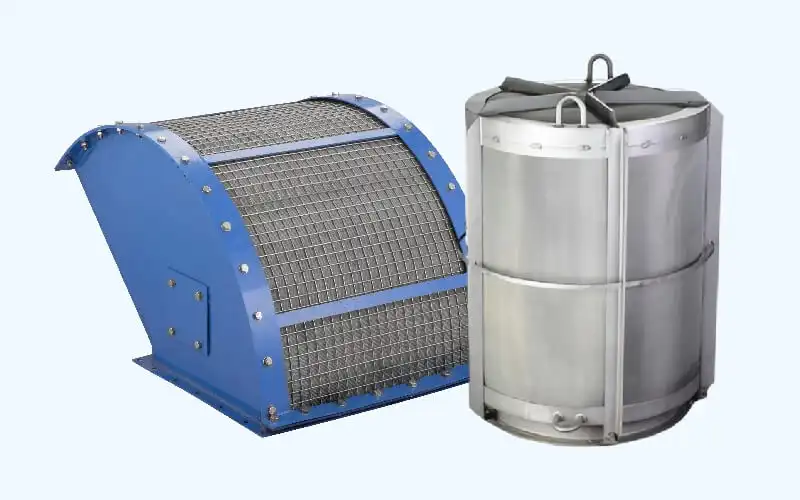
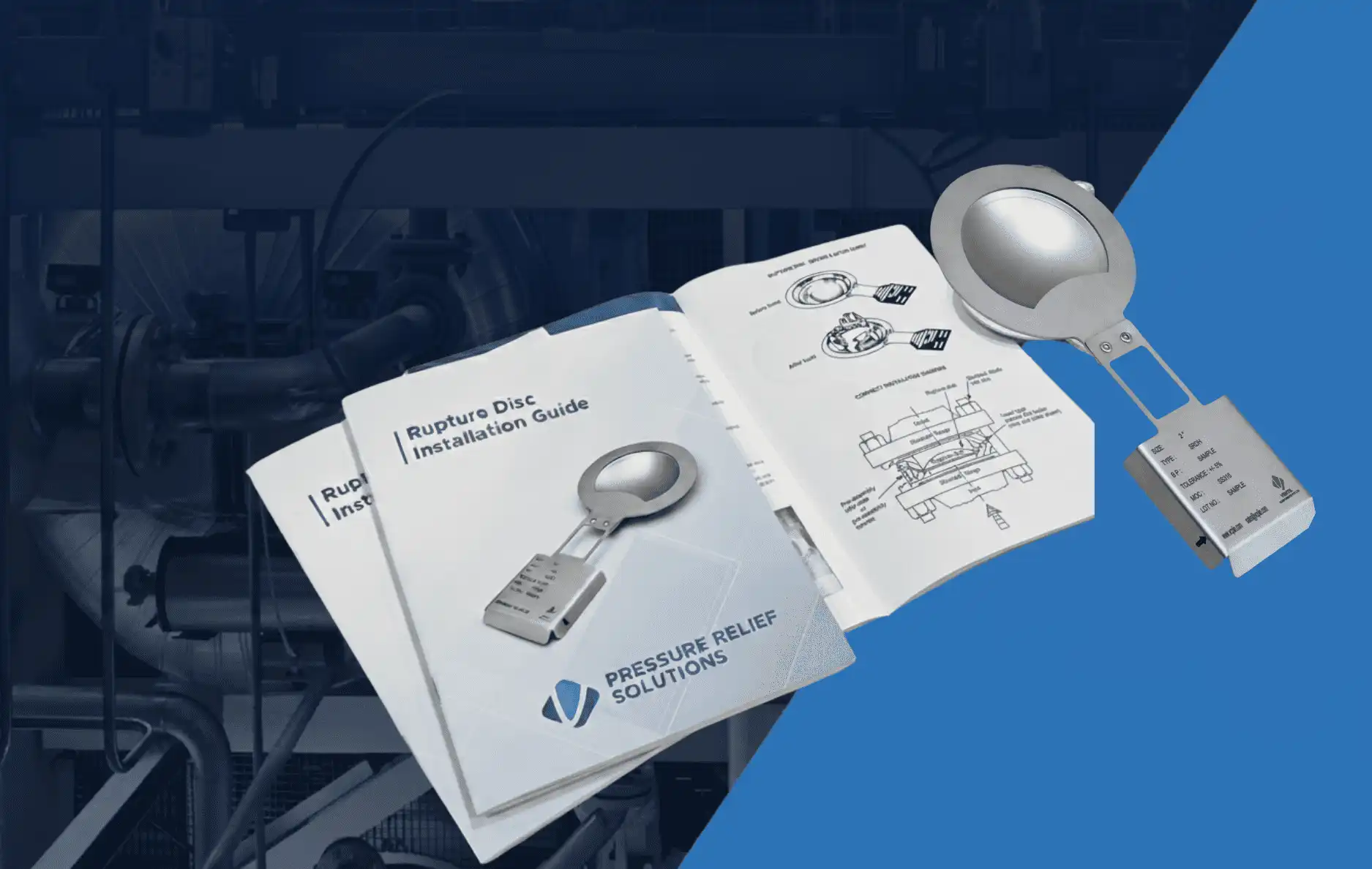
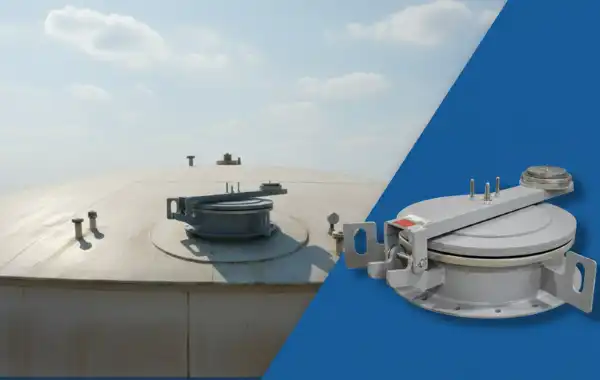
Ventil Components offers a full range of ATEX-certified safety devices: explosion vents (CFV/SDV series), flameless vents, inline flame arrestors, and rupture discs. Use the contact link in the results panel to request a free compliance consultation.
Real-World Example: How a Spice Plant Reduced Its Risk Score from 78% to 22%
A mid-sized spice grinding facility in the Netherlands recently used our interactive checker and scored 78% (Critical Risk). The main issues were:
- No explosion venting on dust collectors.
- Flame arrestors missing on return air lines.
- Last audit was four years ago.
- No ATEX certification for existing equipment.
Following the tool’s recommendations, the plant installed flameless explosion vents on indoor dust collectors, added in-line flame arrestors on all transfer ducts, and commissioned a full ATEX audit. After these upgrades, they retook the assessment and achieved a 22% Low Risk score—and reduced their insurance premium by 18%.
5 Steps to Improve Your Facility’s Explosion Safety Score
Even before you run the checker, you can start implementing these best practices:
- Conduct a dust layer thickness survey – if you can write in the dust, it’s a hazard.
- Install rupture discs on all pressure vessels – set them 10% below the vessel’s design pressure.
- Replace uncertified flame arrestors – look for ATEX or ISO 16852 compliance.
- Schedule an annual explosion protection audit – include pressure relief device testing.
- Train operators on ignition source control – static electricity, hot work permits, and non-sparking tools.
Get Your Personalized Risk Report
Now that you understand the science behind explosion safety, it’s time to benchmark your facility. The interactive Facility Risk Checker asks nine simple multiple-choice questions covering:
- Industry type
- Combustible dust handling
- Pressure systems
- Flammable gases / solvents
- Indoor vs. outdoor layout
- Existing explosion venting
- Flame arrestor coverage
- Safety audit history
- ATEX certification status
After answering, you’ll instantly see:
- A percentage risk score with color-coded gauge
- A clear risk label (Low, Moderate, High, Critical)
- 3–5 prioritized safety recommendations
- A direct link to request a free consultation with Ventil Components engineers
Ready to assess your facility? Scroll down to the interactive widget. The entire process takes less than 2 minutes and works on desktop, tablet, or mobile.
Final Thoughts: Proactive Risk Management Saves Lives and Capital
Explosions are not “acts of God.” They are predictable and preventable. By conducting a regular explosion risk assessment, investing in ATEX-certified safety devices, and maintaining a culture of continuous improvement, you protect your workers, your assets, and your business continuity.
The interactive checker is your first step. Use it today, share it with your safety team, and contact Ventil Components for expert guidance on implementing the recommended solutions.
About Ventil Components
Ventil Components designs and manufactures certified explosion protection equipment, including flameless vents, rupture discs, explosion venting panels, and flame arrestors. With over 20 years of experience serving chemical, pharmaceutical, food, and oil & gas industries, we help facilities achieve full ATEX compliance and reduce operational risk.
Need a site-specific risk analysis? Click the “Contact Ventil” button in the results panel to speak with an application engineer.
Frequently Asked Questions About Explosion Risk Assessment
No. The tool provides a preliminary screening. Any moderate or high score should be followed by a site visit from a certified safety engineer.
At minimum annually. Also reassess after any process change (new dust type, higher throughput, or building modification).
No. All answers remain in your browser. The tool is anonymous and GDPR-compliant.
The checker accounts for combined hazards. Your score will reflect the highest-risk category, and recommendations will address both.