
Manufacturing Plant Safety: Why Explosion Protection Is Essential
In recent years, industrial explosions across manufacturing plants have raised serious concerns about process safety and risk management. In today’s industries, manufacturing plant safety is a critical factor that directly impacts operations, compliance, and human life.
Industries handling powders, gases, and pressure systems—such as pharmaceuticals, chemicals, food processing, and cement—face constant risks of explosions, pressure build-up, and fire hazards.
The key insight:
Industrial accidents don’t happen suddenly — they occur due to missing safety systems.
Implementing the right explosion protection systems can prevent these incidents effectively.
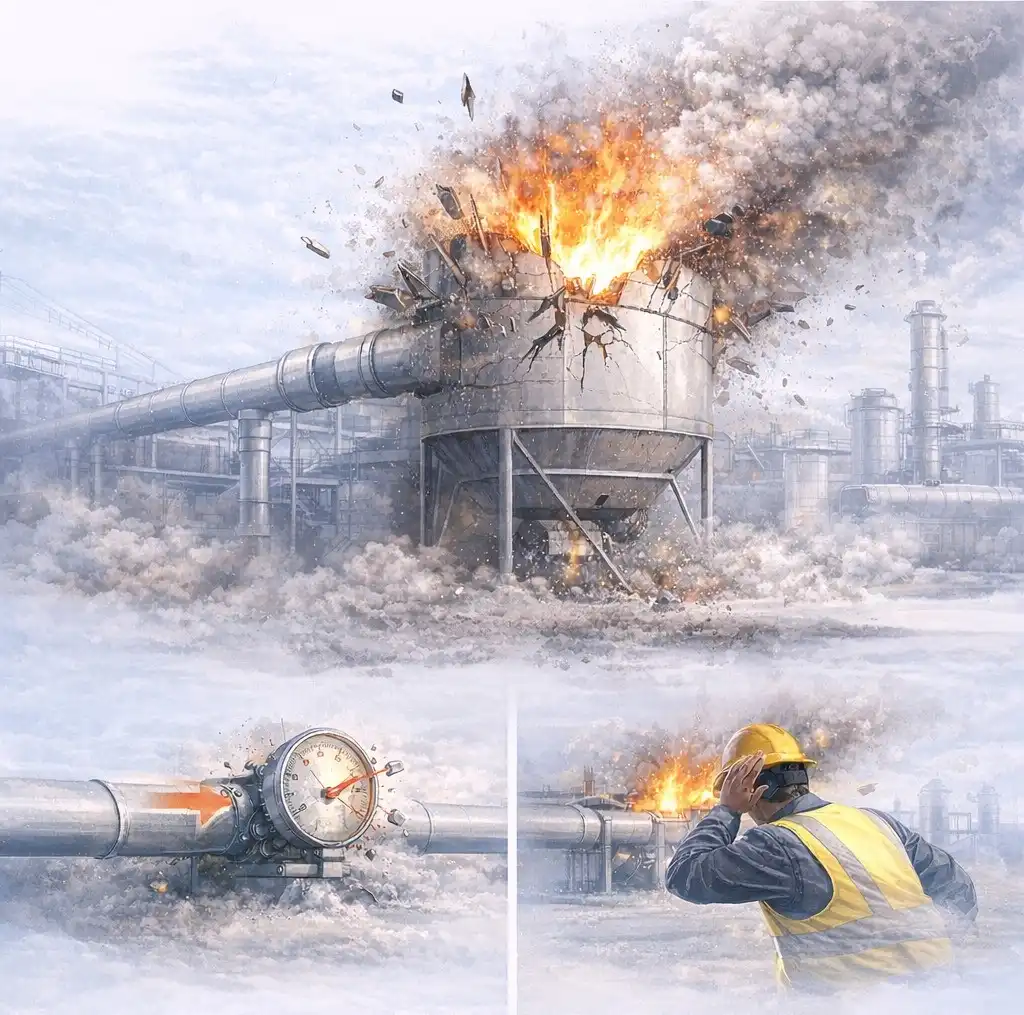
Which Manufacturing Plants Face the Risk Right Now?
According to NFPA data, over 2,000 combustible dust incidents occur globally every year. In India alone, the chemical and pharmaceutical sector recorded over 60 major incidents in 2025, killing more than 100 workers — and those are only the reported ones.
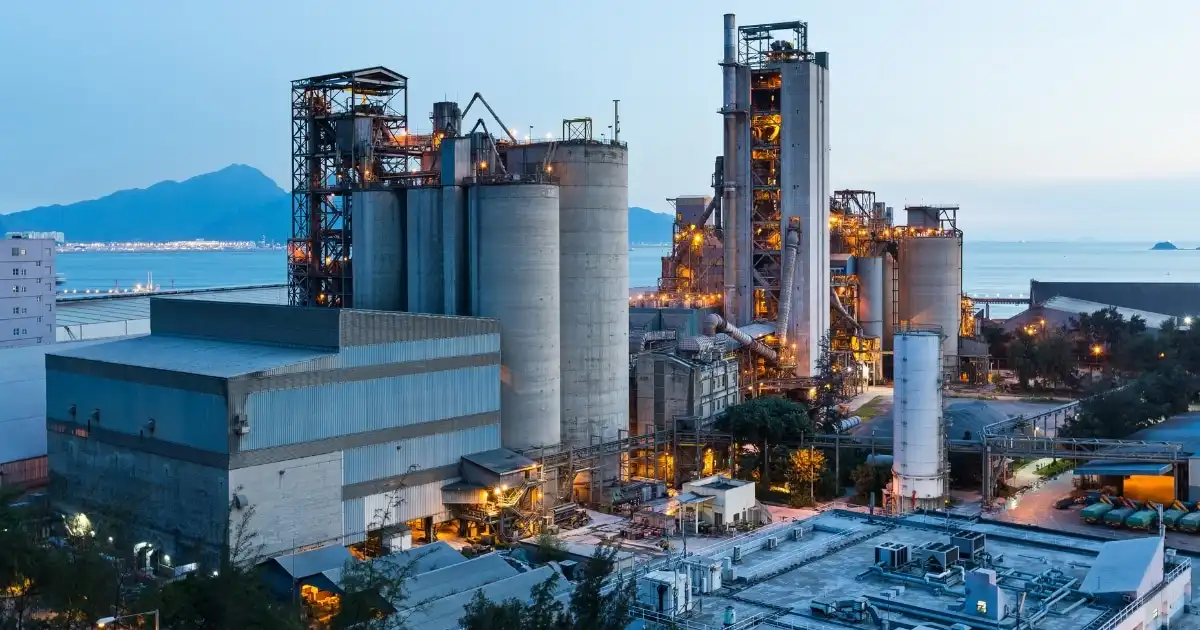
If Your Plant Handles any of these — you need explosion protection
- Pharmaceuticals — API powders, MCC, excipients, tablet coating, spray drying
- Food & Beverage — Flour, sugar, starch, cocoa, coffee, dried spices
- Dairy — Spray-dried milk powder, whey protein, lactose
- Spices & Condiments — Chilli, turmeric, pepper, cumin grinding and packaging
- Nutraceuticals — Protein powder, vitamin supplements, herbal extracts
- Cement & Mining — Limestone dust, coal dust, fly ash, silica
- Paint & Coatings — Pigment powder, solvent vapours, resin dusts
- Animal Feed — Grain dust, feed meal, soy meal
- Personal Care — Talc, starch, cosmetic powder
- Chemical — Fine chemical powders, reactive dusts, specialty materials
- Oil & Gas — Hydrocarbon vapours, gas transfer lines, storage tank venting
- Petrochemical — Reactor overpressure, flammable gas systems, vapour release
The Complete Ventil Explosion Protection System — One Partner, Full Coverage
What makes Ventil unique in the Indian market is the breadth of the product range. You do not need three different vendors for pressure relief, explosion venting, and flame arrestment. Ventil manufactures and supplies the complete layered safety system — designed to work together and certified to ATEX, ISO, and CIMFR standards.
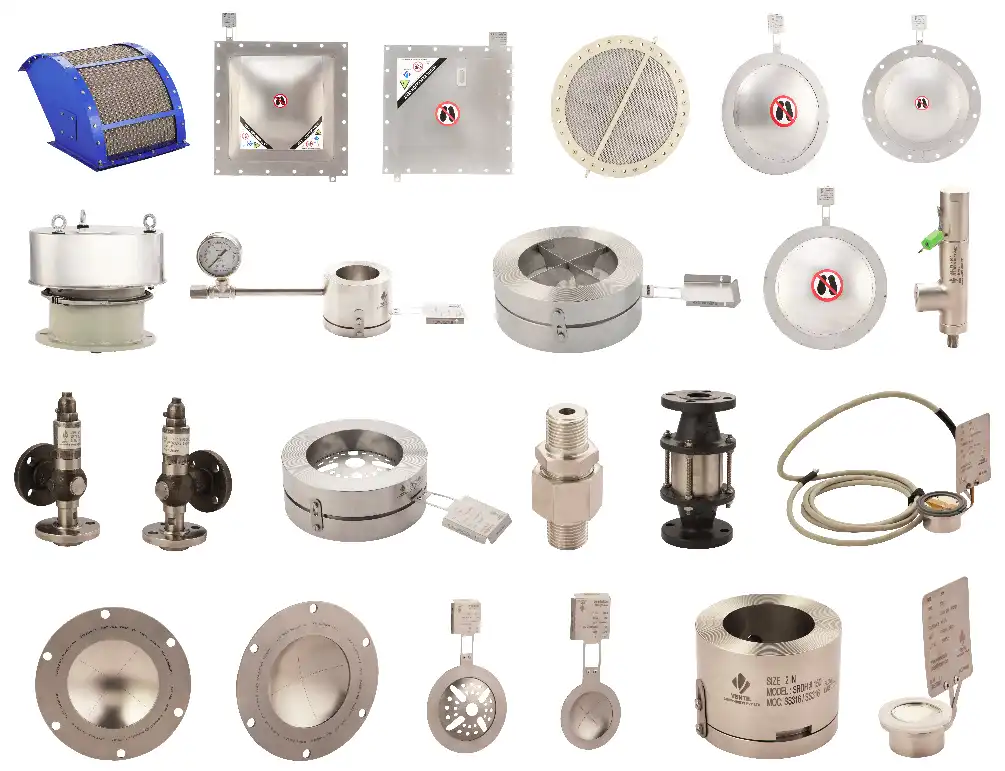
| Ventil Product | What It Protects Against |
|---|---|
| Explosion Vent Panels (CFV / SDV) | Dust and gas explosions in vessels, silos, dryers, and dust collectors — outdoor installations |
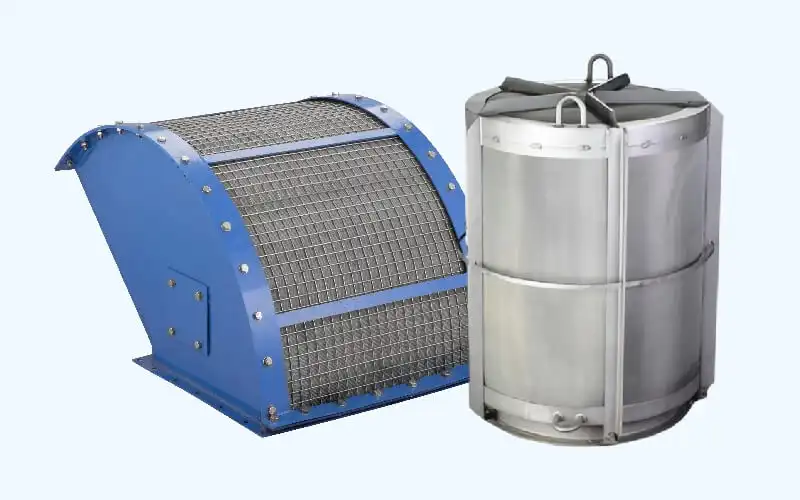
| Flameless Venting (FLV) | Dust explosions in indoor equipment — contains fireball, protects enclosed workspaces |
| Explosion Isolation Valves (Redex / Ventex) | Explosion propagation through ductwork between connected pieces of equipment |
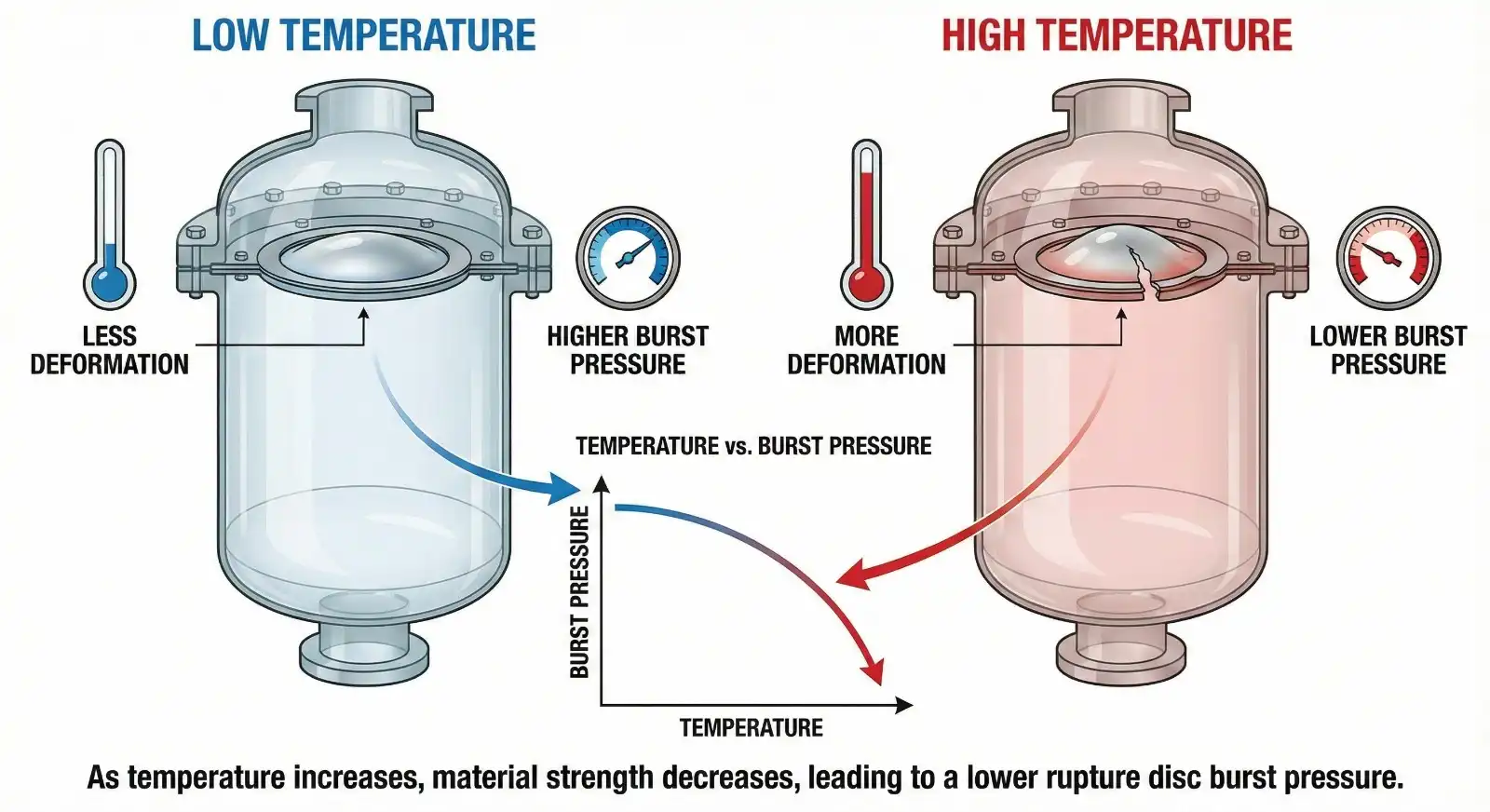
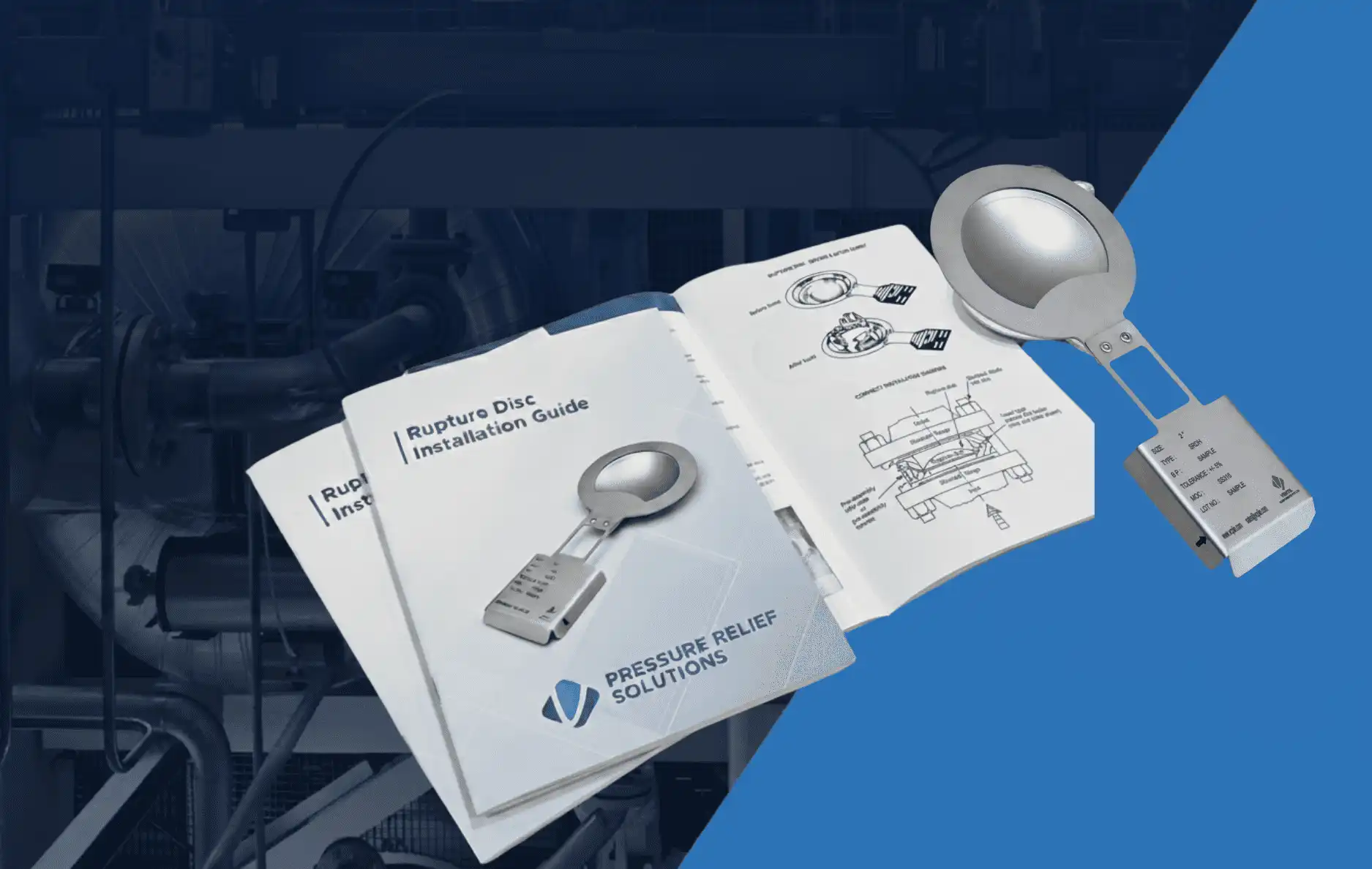
| Rupture Discs (SRDH / CRD / FAD / SSR / SRD-SF) | Overpressure in reactors, vessels, spray dryers, and pipelines — instant, precise pressure relief |
| Rupture Disc Indicators | Silent disc bursts — provides immediate alarm and triggers emergency shutdown protocols |
| Flame Arresters (Inline / End-of-Line) | Flame propagation through gas/vapour pipelines and storage tank vent lines |
| Safety Relief Valves | Slow-rising overpressure in process piping and vessel systems — automatic, resettable relief |
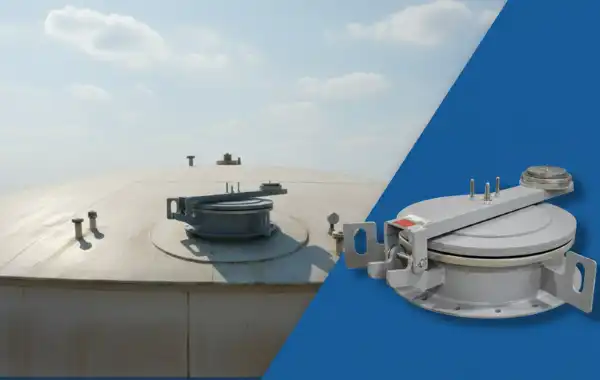
| Emergency Vents | Catastrophic overpressure on large storage tanks — automatic large-bore relief |
| Breather Valves | Normal pressure and vacuum breathing cycles on atmospheric storage tanks |
Every Ventil product is custom-engineered to your process parameters. We do not sell standard catalogue items. We engineer the right product for your specific powder, your vessel geometry, your operating pressure, and your installation environment.
Is Your Plant Protected? A 5-Point Explosion Safety Checklist
Use this checklist to audit your own facility. If you answer 'No' to any of these, your plant is carrying avoidable risk — right now.
- Do all powder-processing and drying units in your plant have correctly sized explosion vent panels installed? (Spray dryers, dust collectors, cyclones, silos, bucket elevators — all require protection.)
- Is your equipment indoors? If yes — do you have flameless venting (FLV) systems installed on all explosion vents? (A vent without an FLV indoors can cause more harm than no vent at all.)
- Are explosion isolation valves installed on the ductwork connecting all high-risk equipment in your powder handling chain? (One explosion can become five if propagation is not blocked.)
- Do all pressure vessels, reactors, and enclosed processing units have rupture discs with burst indicators? (Rupture disc indicators are what give your control room the seconds they need to initiate emergency shutdown.)
- 5. Does your plant have a current ATEX zone classification, a Dust Hazard Analysis (DHA), and an up-to-date Factories Department NOC? (Compliance documents are not bureaucracy — they are the engineering baseline that proves your plant is safe.)
If the answer to any of these is 'No' or 'I am not sure' — contact Ventil Components. Our engineers will conduct a plant safety assessment and specify the exact systems your facility requires.
Conclusion
Manufacturing plant safety is not just about compliance — it is about preventing disasters before they occur.
By addressing key risks like pressure build-up, dust explosions, and flame propagation, and implementing the right explosion protection systems, industries can ensure safe and uninterrupted operations.The right safety system today can prevent tomorrow’s disaster.
FAQs – Manufacturing Plant Explosion Safety
An explosion protection system is a set of engineered safety devices installed on industrial equipment to prevent, contain, or relieve the energy of an internal dust or gas explosion. A complete system typically includes explosion vent panels, flameless venting units, explosion isolation valves, rupture discs, and flame arresters — all working together to ensure that if an explosion occurs, it is directed safely, contained locally, and does not propagate to other equipment or harm workers.
Dust explosions occur when five conditions are simultaneously present — called the Dust Explosion Pentagon: combustible dust (fuel), oxygen in air, dust particles suspended in the air, an enclosed space (confinement), and an ignition source such as heat, friction, or a spark. Pharmaceutical powders like MCC, flour in food plants, sugar dust, and spice powders are all highly combustible. Spray dryers, dust collectors, silos, and bag filters are the most common equipment where these explosions originate.
A flameless venting system (FLV) is an explosion protection device that fits over a conventional explosion vent panel and extinguishes the fireball completely as the vent opens. It is required when explosion-risk equipment is located inside an enclosed building or production hall where projecting a fireball outdoors is not possible. Without an FLV, the fireball from an indoor explosion vent would be directed into the workspace — endangering workers. The Ventil FLV is ATEX-certified and designed for indoor dust collectors, dryers, and processing vessels.
An explosion vent panel is installed on the wall or roof of a vessel or dust collector to safely release explosion pressure outdoors. A rupture disc is installed on the pressurised piping connection of a vessel and provides one-shot pressure relief by bursting at a precise set pressure. Both serve the same ultimate function — preventing catastrophic vessel failure from overpressure — but in different ways and in different installation positions. A complete explosion protection system typically requires both.
Yes. Under the Factories Act, 1948 and PESO (Petroleum and Explosives Safety Organisation) regulations, industrial facilities that handle flammable materials or combustible dust are required to implement explosion protection measures. Plants seeking ATEX compliance for export or multinational clients must additionally comply with ATEX Directive 2014/34/EU and IECEx standards. Failure to comply — as seen in the Sigachi case — can result in criminal liability for plant management, forced shutdown, and regulatory investigation.